Starting a garden is one of the most rewarding activities you can take on. There is something deeply satisfying about planting a seed, watching it grow, and enjoying the beauty or flavor of what you have nurtured. Whether you have a large backyard or a small balcony, gardening is accessible to everyone. If you have never gardened before, it is completely normal to feel unsure about where to begin. The good news is that you don't need to be an expert to get started. With a few simple steps and a willingness to learn, you can create a thriving garden that brings you joy for seasons to come.
Start Small and Simple
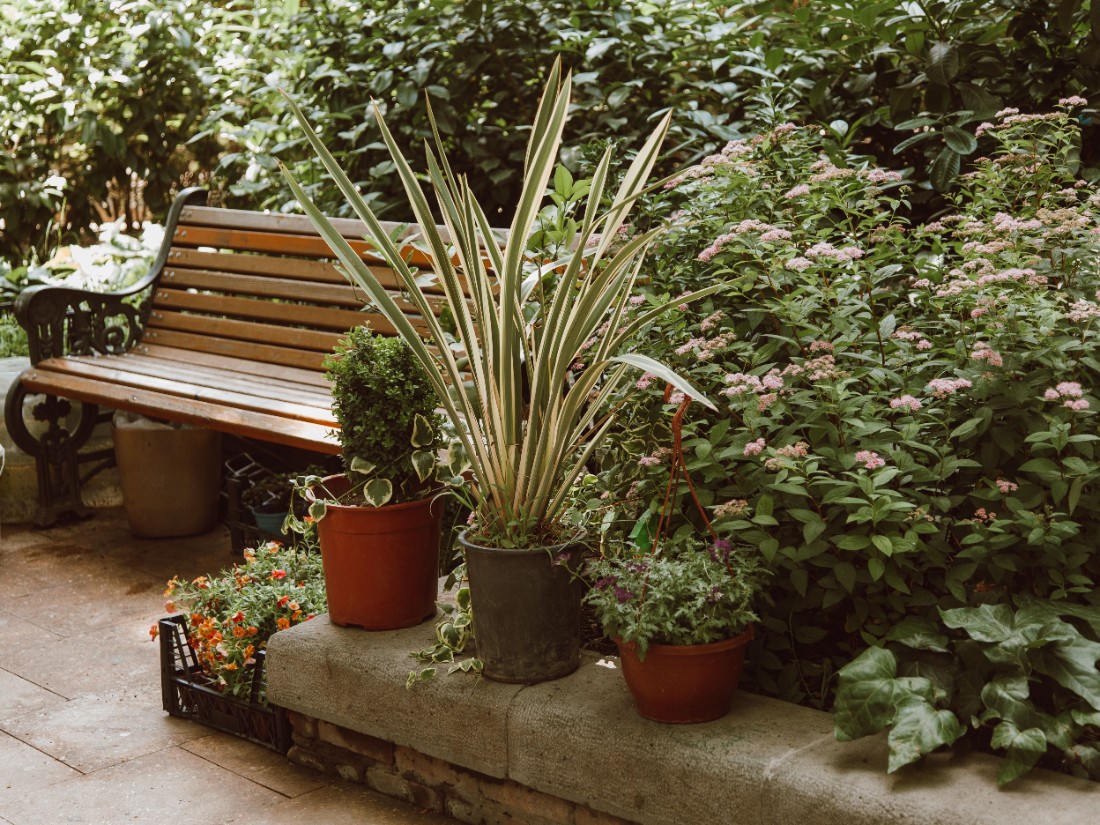
One of the most common mistakes new gardeners make is trying to do too much too soon. Starting with a massive garden bed or dozens of different plants can quickly become overwhelming. Instead, begin with a small, manageable space. A few pots on your patio, a single raised bed, or a small corner of your yard is the perfect starting point. Choose just a few plants to focus on so you can learn how to care for them without feeling stretched. As your confidence and knowledge grow, you can gradually expand your garden at your own pace.
Choose the Right Plants for Your Space
Not all plants thrive in every environment, so it is important to choose varieties that suit your specific conditions. Consider how much sunlight your garden space receives each day. Some plants need full sun, which means at least six to eight hours of direct sunlight, while others do well in partial or full shade. If you are growing in containers, look for compact varieties that are suited for smaller spaces. For beginners, herbs like basil, mint, and parsley are excellent choices because they are forgiving, grow quickly, and can be used in everyday cooking. Easy-to-grow flowers like marigolds, sunflowers, and zinnias are also great options that add vibrant color with minimal effort.
Prepare Your Soil
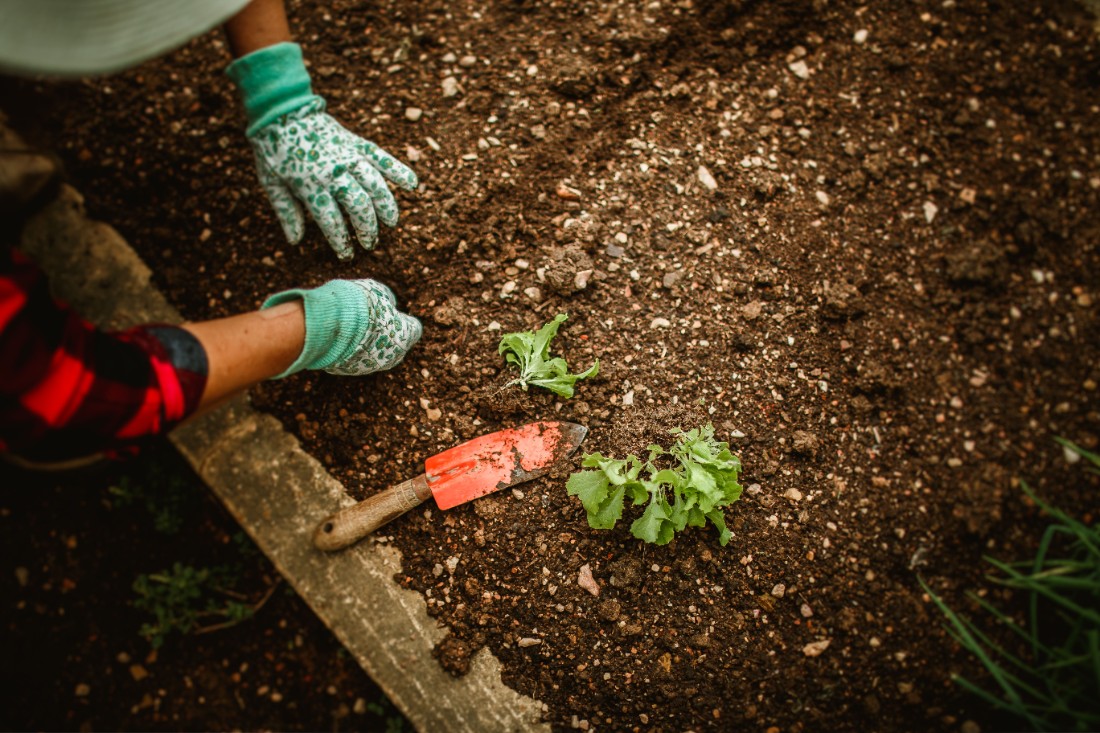
Healthy soil is the foundation of a successful garden. Good soil provides your plants with the nutrients, moisture, and support they need to grow strong and healthy. If you are planting in the ground, take some time to loosen the soil and mix in compost or organic matter to improve its quality. If you are using containers, choose a high-quality potting mix that provides good drainage and aeration. Avoid using regular garden soil in pots, as it can become too compact and restrict root growth. Investing a little time in preparing your soil before you plant sets your garden up for the best possible start.
Water Wisely and Consistently
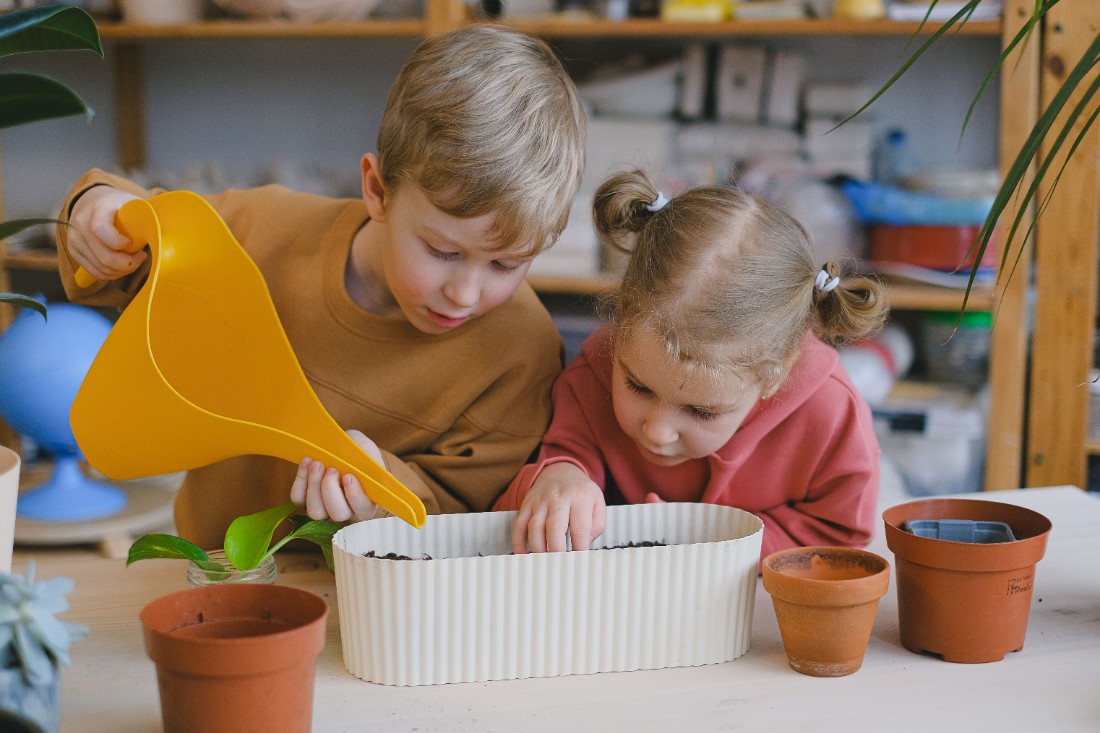
Watering is one of the most important aspects of gardening, but it is also one of the areas where beginners often struggle. Both overwatering and underwatering can harm your plants. A good general rule is to water deeply but less frequently, allowing the soil to dry slightly between waterings. Check the soil with your finger before watering. If the top inch feels dry, it is time to water. Early morning is the best time to water your garden because it gives plants time to absorb moisture before the heat of the day. Pay attention to the specific needs of each plant, as some prefer moist soil while others thrive in drier conditions.
Starting your first garden is an exciting journey filled with learning, patience, and rewarding moments. Don't worry about doing everything perfectly. Gardening is a process of trial and discovery, and every season teaches you something new. Start small, choose the right plants for your space, prepare your soil with care, and water with intention. Before long, you will experience the joy of watching something grow because of the time and attention you gave it. A garden, no matter how small, brings beauty, purpose, and a wonderful sense of accomplishment to your everyday life.