Every time you get behind the wheel, you share the road with countless other drivers, cyclists, and pedestrians. No matter how experienced or careful you are, you cannot control what others do on the road. That is where defensive driving comes in. Defensive driving is a set of skills and habits that help you anticipate potential hazards, react calmly to unexpected situations, and make safer decisions every time you drive. Whether you commute a few miles or spend hours on the road each day, these practical tips can help you arrive at your destination safely.
Stay Focused and Eliminate Distractions
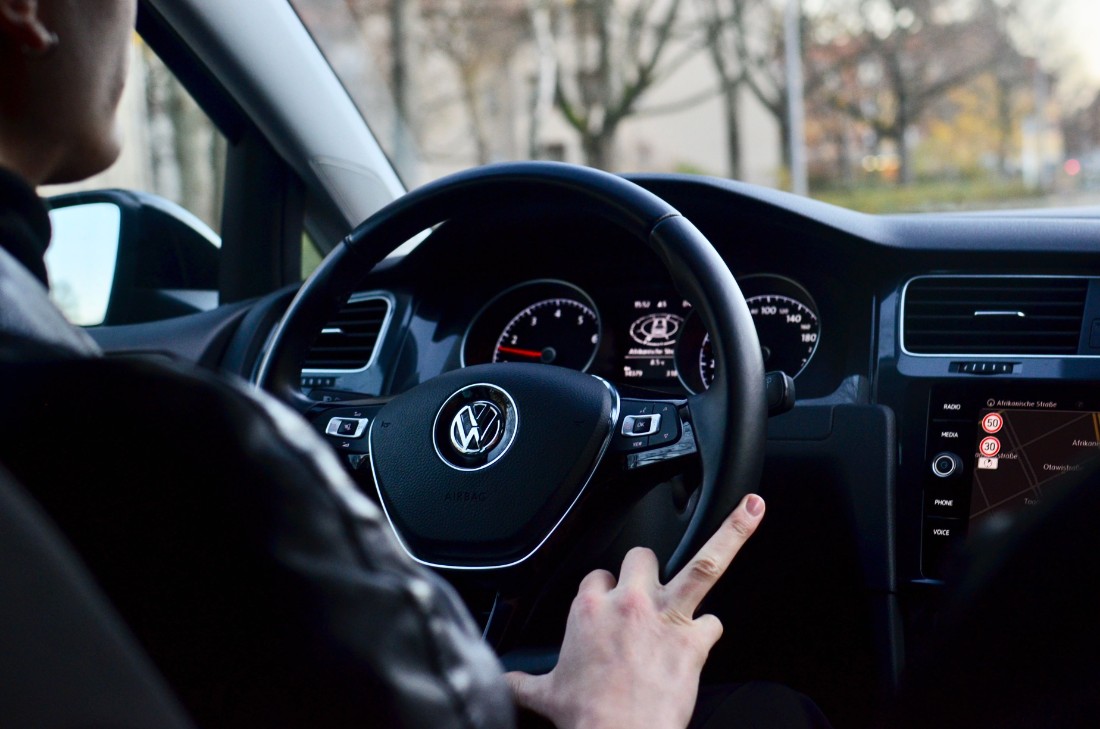
Distracted driving is one of the leading causes of accidents on the road. It only takes a split second of looking away to miss a sudden stop or a merging vehicle. To stay safe, keep your full attention on the road at all times. Put your phone out of reach or switch it to a driving mode that silences notifications. Avoid eating, adjusting your GPS, or reaching for items while the car is moving. If you need to make a call or check directions, pull over to a safe location first. A focused driver is always a safer driver.
Maintain a Safe Following Distance
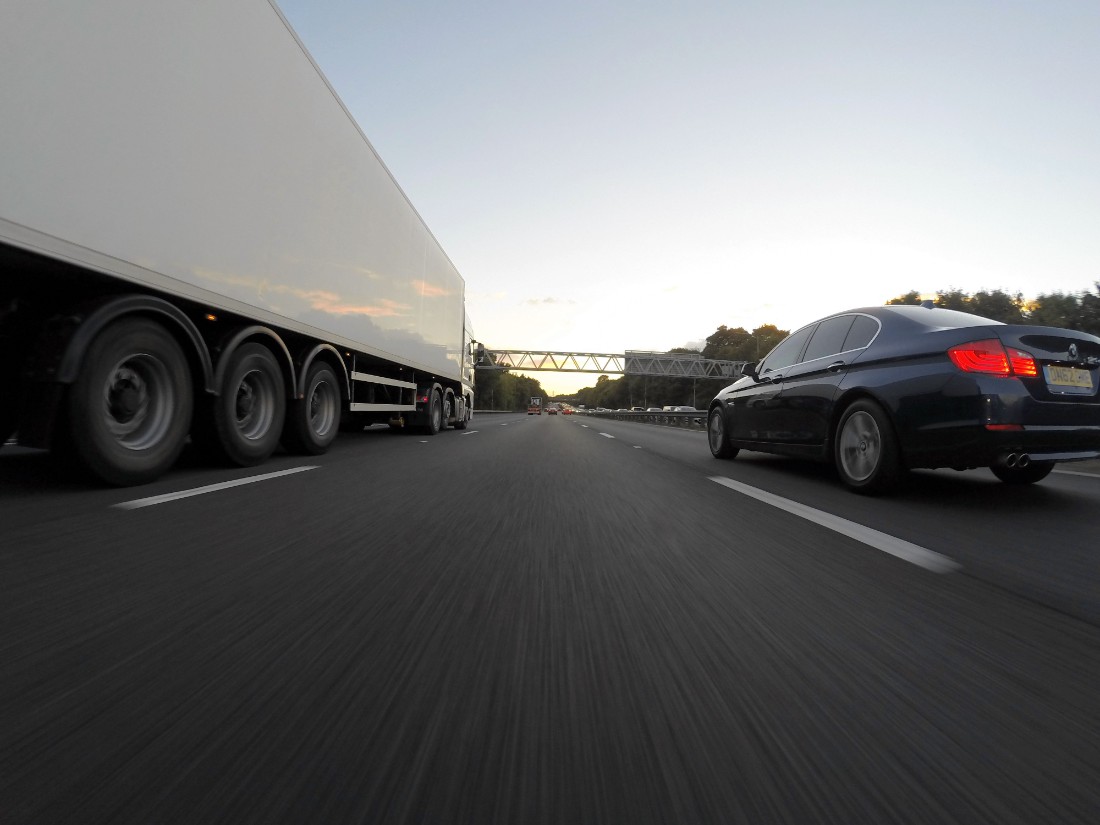
One of the simplest and most effective defensive driving habits is keeping a safe distance between your car and the vehicle ahead of you. Tailgating reduces your reaction time and increases the chance of a collision. A good rule to follow is the three-second rule. Pick a fixed point on the road and count the seconds between when the car ahead passes it and when you reach the same point. If it is less than three seconds, ease off the accelerator and create more space. In poor weather conditions or heavy traffic, increase that distance even further.
Be Aware of Your Surroundings
Great defensive drivers are constantly scanning the road around them. Instead of focusing only on the car directly in front of you, develop the habit of checking your mirrors regularly and looking further down the road. This wider awareness helps you spot potential problems before they reach you. Watch for brake lights several cars ahead, vehicles merging from side roads, and pedestrians near crosswalks. Pay attention to the behavior of other drivers as well. If someone is driving unpredictably, give them extra space and avoid engaging with them.
Adjust for Weather and Road Conditions
Weather plays a significant role in road safety, and adjusting your driving to match the conditions is a key part of defensive driving. Rain, fog, ice, and even strong winds can all affect your vehicle's handling and visibility. When conditions are less than ideal, slow down, increase your following distance, and use your headlights to make yourself more visible. Avoid sudden braking or sharp turns on wet or icy roads. If conditions become too dangerous, there is no shame in pulling over and waiting for things to improve. Arriving late is always better than not arriving at all.
Practice Patience and Stay Calm
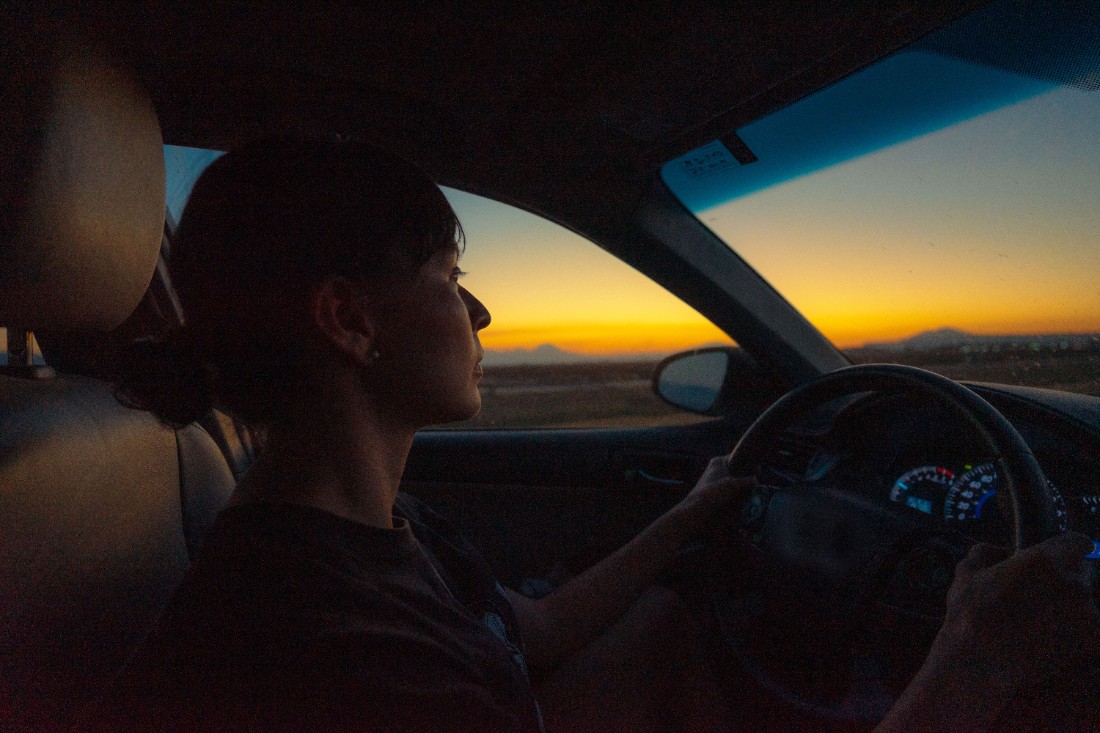
Road frustration is something most drivers experience at some point. Traffic jams, slow drivers, and sudden lane cutoffs can test your patience. However, reacting with frustration only makes the situation more dangerous. Defensive driving requires a calm and patient mindset. If someone cuts you off, take a deep breath and let it go. If traffic is moving slowly, accept it and focus on staying safe rather than trying to make up time. A calm driver makes better decisions and arrives safely.
Defensive driving is not about being fearful on the road. It is about being prepared, aware, and intentional with every decision you make behind the wheel. By staying focused, maintaining a safe following distance, scanning your surroundings, adjusting for weather, and staying calm, you significantly reduce your risk and create a safer experience for everyone. Make these habits part of your daily commute and you will notice the difference in both your safety and your peace of mind.