
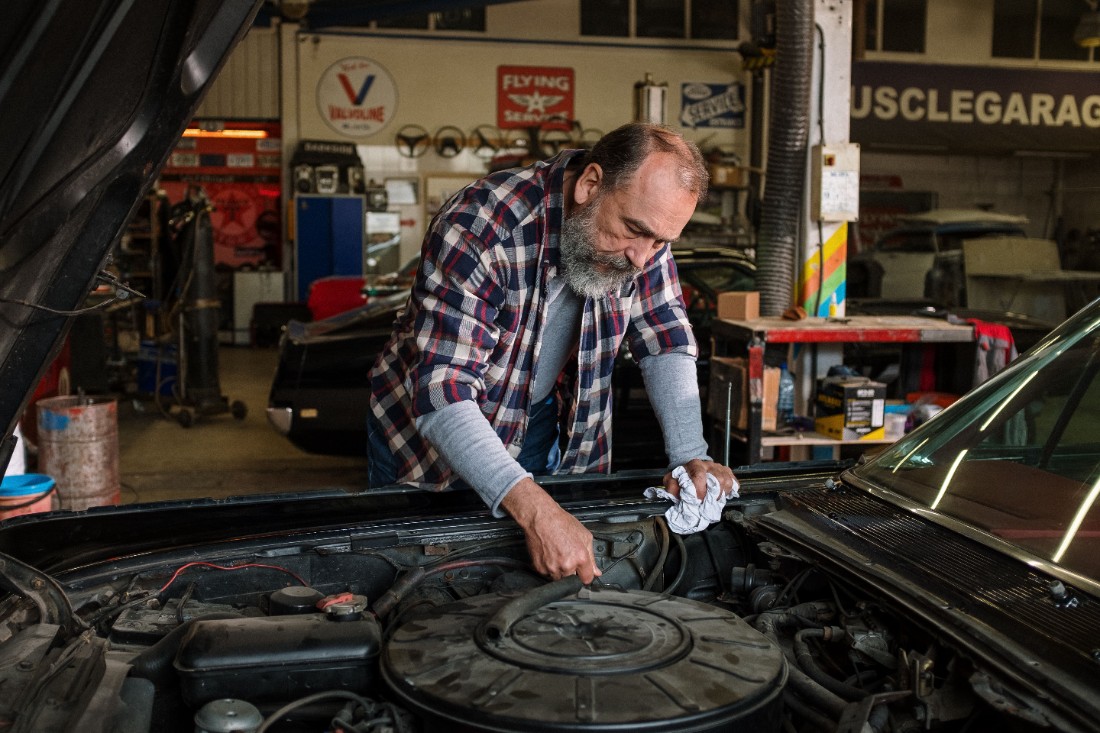
Your car is one of the most important tools in your daily life. It gets you to work, takes your family on adventures, and keeps your routine running smoothly. But like anything that works hard for you, it needs regular care and attention to stay in top shape. The good news is that basic car maintenance doesn't require advanced mechanical knowledge. With a few simple habits and a little awareness, you can keep your vehicle running reliably, avoid costly repairs, and extend the life of your car for years to come.
Check Your Oil Regularly
Oil is the lifeblood of your engine. It keeps all the moving parts lubricated, reduces friction, and helps prevent overheating. Over time, oil breaks down and becomes less effective, which is why regular oil changes are so important. Check your owner's manual to find out how often your specific vehicle needs an oil change. Most modern cars require one every 5,000 to 7,500 miles, but this can vary depending on the make, model, and type of oil used. Between oil changes, make it a habit to check your oil level at least once a month. If the level is low or the oil looks dark and gritty, it may be time for a change sooner than expected.
Keep Your Tires in Good Condition
Your tires are the only part of your car that touches the road, so keeping them in good shape is essential for both safety and performance. Start by checking your tire pressure at least once a month. Underinflated tires can reduce fuel efficiency, cause uneven wear, and affect how your car handles. Overinflated tires can reduce traction and make your ride less comfortable. You can find the recommended tire pressure in your owner's manual or on a sticker inside the driver's side door. In addition to pressure, inspect your tires regularly for signs of wear. The simple penny test can help you determine if your tread depth is still safe. If the tread is worn down, it is time to replace your tires. Don't forget to rotate your tires according to the schedule in your owner's manual to ensure even wear across all four tires.
Stay on Top of Fluid Level
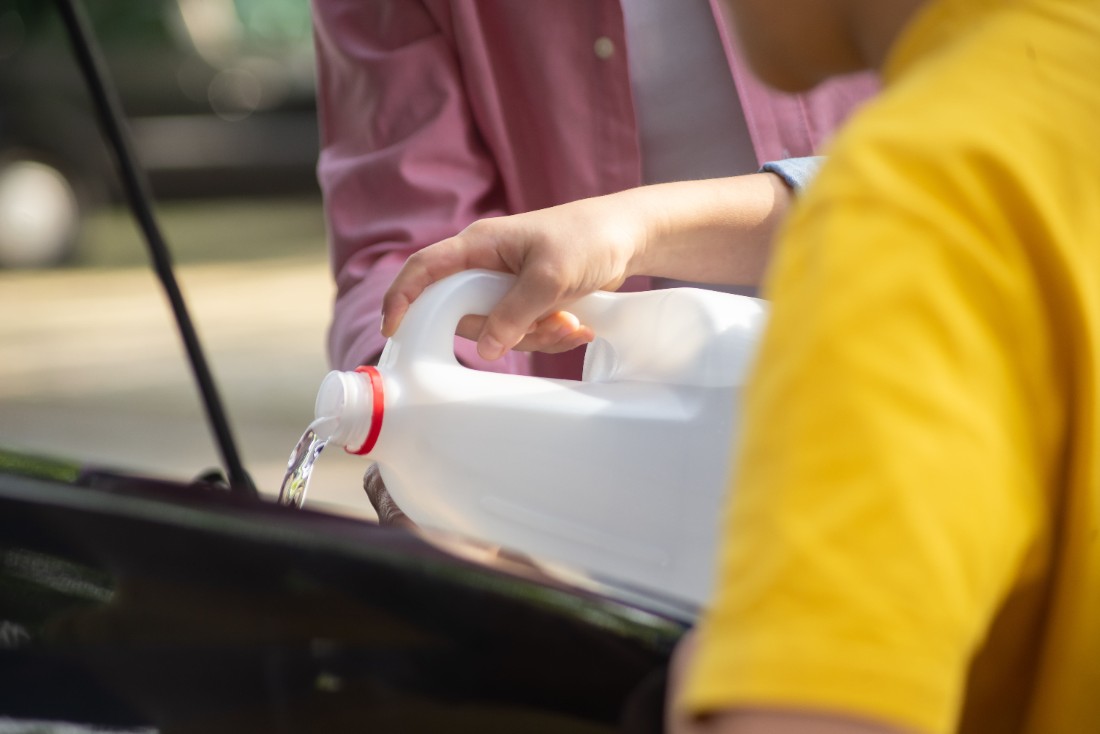
Your car relies on several important fluids beyond engine oil to function properly. These include coolant, brake fluid, transmission fluid, power steering fluid, and windshield washer fluid. Each one plays a critical role in keeping your vehicle safe and running smoothly. Coolant prevents your engine from overheating, brake fluid ensures your brakes respond properly, and transmission fluid keeps your gears shifting smoothly. Make it a habit to check these fluid levels regularly, especially before long trips. Most of these checks are simple and can be done at home with just a quick look under the hood. If any fluid appears low or discolored, top it off or schedule a visit to your trusted mechanic.
Replace Filters on Schedule
Your car has several filters that play an important role in performance and comfort. The engine air filter prevents dirt and debris from entering your engine, while the cabin air filter keeps the air inside your car clean and fresh. A clogged engine air filter can reduce fuel efficiency and engine performance, while a dirty cabin filter can affect air quality and the effectiveness of your heating and cooling system. Check your owner's manual for the recommended replacement schedule, but a general guideline is to replace your engine air filter every 12,000 to 15,000 miles and your cabin air filter every 15,000 to 20,000 miles. These are affordable and easy replacements that make a noticeable difference.
Pay Attention to Warning Lights
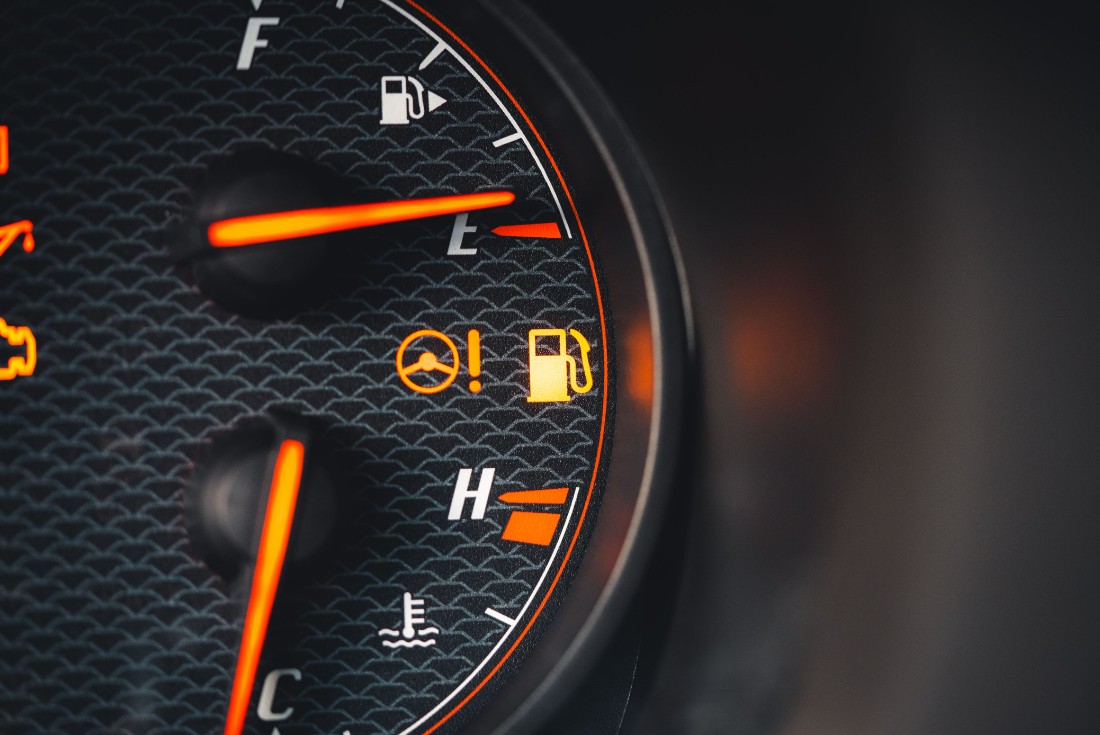
Modern vehicles are designed to communicate with you through dashboard warning lights. These lights are your car's way of telling you that something needs attention. Whether it is the check engine light, oil pressure warning, battery alert, or tire pressure indicator, never ignore these signals. Some warnings indicate minor issues that can be addressed quickly, while others may point to something that needs immediate attention. When a warning light comes on, refer to your owner's manual to understand what it means and take appropriate action. Addressing small issues early can prevent them from turning into bigger and more expensive problems down the road.
Don't Skip Scheduled Maintenance
Every vehicle comes with a recommended maintenance schedule outlined in the owner's manual. This schedule includes important services like oil changes, tire rotations, brake inspections, fluid flushes, and belt replacements at specific mileage intervals. Following this schedule is one of the best things you can do to protect your investment and keep your car running at its best. It is tempting to skip or delay routine services, especially when your car seems to be running fine. But preventive maintenance is always more affordable than unexpected repairs. Building a relationship with a trusted mechanic or service center makes it easier to stay on track and gives you confidence that your car is always in good hands.
Taking care of your car doesn't have to be complicated or time-consuming. By staying on top of a few basic maintenance tasks, you can keep your vehicle safe, reliable, and efficient for the long haul. Check your oil, monitor your tires, keep your fluids topped off, replace your filters, pay attention to warning lights, and follow your maintenance schedule. These simple habits save you money, prevent unexpected breakdowns, and give you peace of mind every time you turn the key. Your car takes care of you every day. Return the favor by taking care of it.