With fuel prices constantly fluctuating, getting the most out of every tank of gas has become a priority for many drivers. The good news is that you don't need to buy a new car or make expensive modifications to improve your fuel efficiency. There are plenty of simple, everyday habits and adjustments that can help you use less fuel and save more money. Whether you drive a compact car, a sedan, or an SUV, these practical tips will help you make the most of every drop of fuel.
Check Your Tire Pressure Regularly
One of the easiest and most overlooked ways to improve fuel efficiency is keeping your tires properly inflated. Underinflated tires create more rolling resistance, which means your engine has to work harder to move the car forward. This extra effort uses more fuel than necessary. Check your tire pressure at least once a month using a simple tire gauge. You can find the recommended pressure for your vehicle on a sticker inside the driver's side door or in your owner's manual. Keeping your tires at the correct pressure not only saves fuel but also improves handling and extends the life of your tires.
Drive Smoothly and Avoid Aggressive Habits
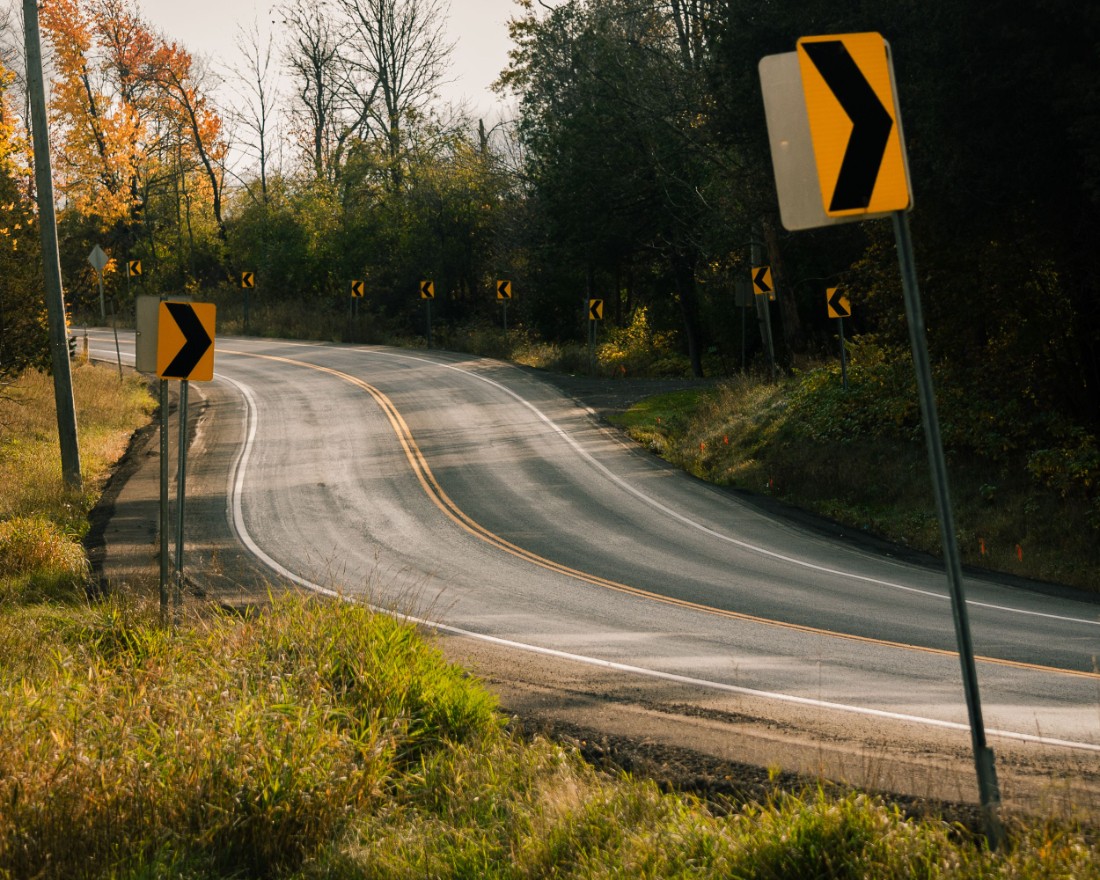
The way you drive has a direct impact on how much fuel your car uses. Aggressive driving habits like rapid acceleration, hard braking, and speeding can significantly reduce your fuel efficiency. Every time you slam on the gas pedal or brake suddenly, your engine burns more fuel than it needs to. Instead, aim for smooth and gradual acceleration and deceleration. Anticipate traffic flow by looking ahead and adjusting your speed early rather than making last-second reactions. These small changes in your driving style can improve your fuel economy significantly, especially in city driving.
Reduce Unnecessary Weight and Drag
Carrying extra weight in your car forces the engine to work harder, which uses more fuel. Take a few minutes to clean out your trunk and remove items you don't need for your daily drive. Heavy equipment, sports gear, and boxes that have been sitting in the back for weeks all add up. In addition to weight, pay attention to aerodynamic drag. Roof racks, cargo boxes, and bike mounts create wind resistance that forces your engine to burn more fuel at higher speeds. If you are not actively using these accessories, remove them to improve your car's aerodynamics.
Keep Up with Regular Maintenance
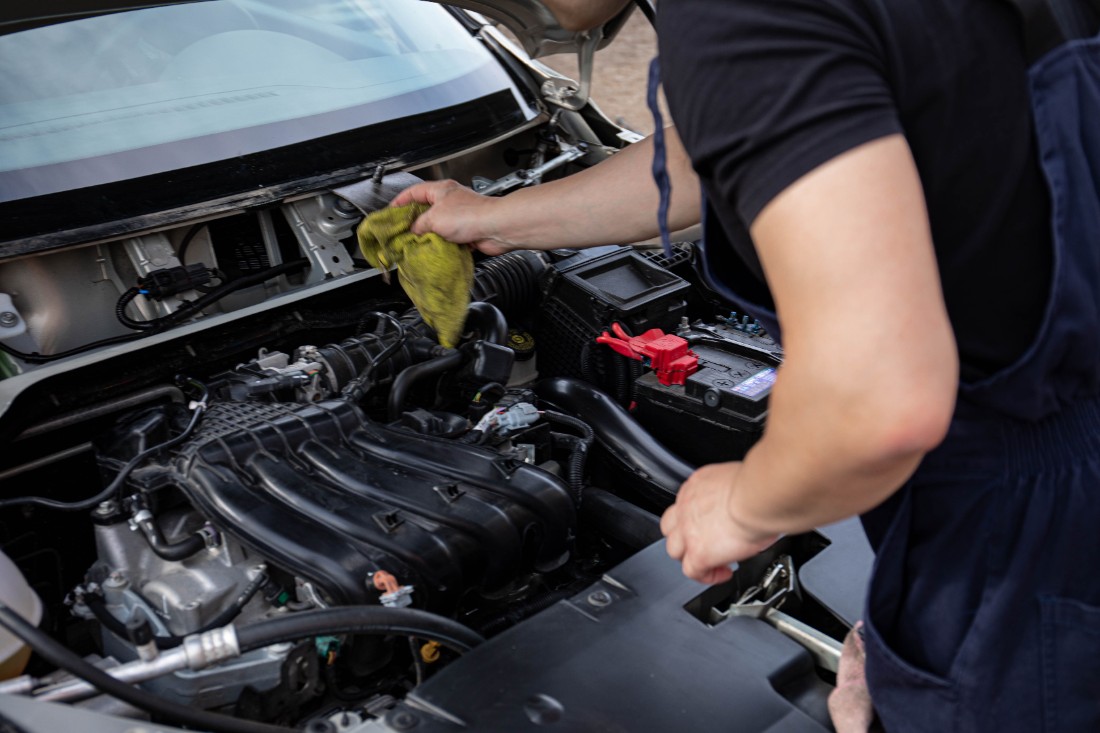
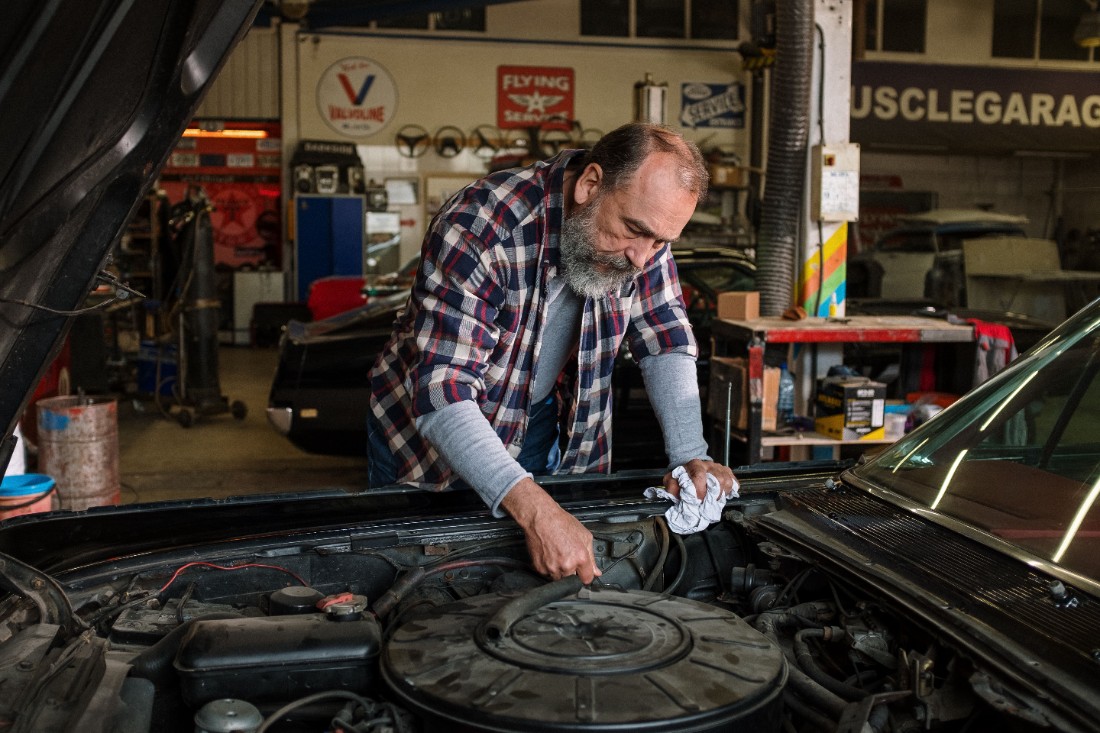
A well-maintained car runs more efficiently than one that has been neglected. Regular oil changes keep your engine properly lubricated and running smoothly. Using the manufacturer-recommended grade of motor oil can also make a difference in fuel economy. Replace your engine air filter on schedule, as a clogged filter restricts airflow to the engine and forces it to work harder. Make sure your spark plugs are in good condition, as worn plugs can cause misfires that waste fuel. Following the maintenance schedule in your owner's manual is one of the most reliable ways to keep your car efficient.
Plan Your Trips and Combine Errands
One of the simplest ways to save fuel is to reduce the number of trips you take. Instead of making several short drives throughout the day, plan ahead and combine your errands into a single, well-organized route. Short trips are especially hard on fuel efficiency because your engine uses more fuel when it is cold. By combining errands, you keep your engine warm and running efficiently for a longer period. Planning your route to avoid heavy traffic and unnecessary backtracking also helps you use less fuel. A little planning goes a long way in cutting down on wasted miles and wasted money.
Improving your car's fuel efficiency doesn't require major investments or complicated changes. It starts with small, everyday habits that add up to real savings over time. Keep your tires properly inflated, drive smoothly, reduce excess weight, stay on top of maintenance, and plan your trips wisely. These simple steps help you spend less at the pump, extend the life of your vehicle, and make every drive more economical. A few mindful choices behind the wheel can make a meaningful difference for both your wallet and your driving experiences.