

Electric vehicles have become one of the most talked-about topics in the automotive world. With advances in technology, growing charging infrastructure, and increasing environmental awareness, more people than ever are considering making the switch. But before you make this exciting decision, it is important to understand what owning an electric vehicle actually involves. From charging options and driving range to costs and lifestyle adjustments, knowing what to expect will help you make a confident and well-informed choice.
Understand How Electric Vehicles Work
Unlike traditional cars that rely on internal combustion engines powered by gasoline, electric vehicles run entirely on electricity stored in large battery packs. These batteries power one or more electric motors that drive the wheels. Because there is no engine burning fuel, electric vehicles produce zero tailpipe emissions, making them a cleaner option for everyday driving. They are also quieter and often smoother to drive. Charging the battery replaces the need to stop at a gas station, and the energy can come from your home outlet, a dedicated home charger, or a public charging station.
Evaluate Your Daily Driving Needs
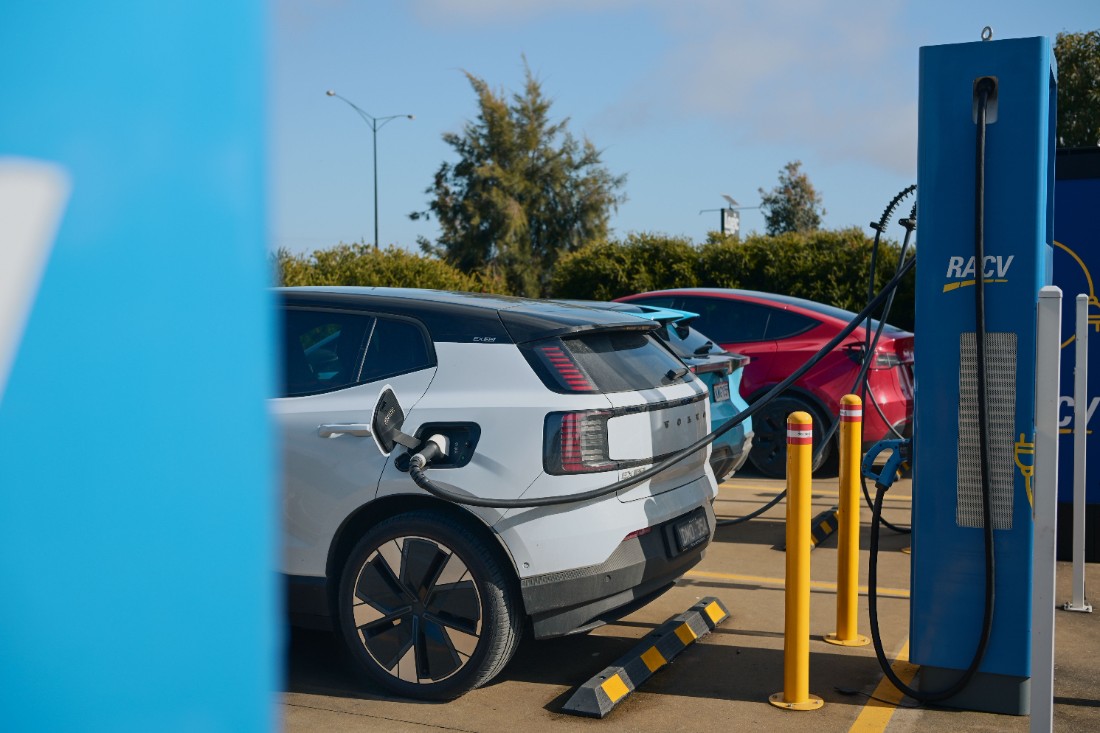
One of the most important things to consider before buying an electric vehicle is how far you drive on a typical day. Most modern electric vehicles offer a driving range between 200 and 300 miles on a single charge, with some models exceeding 350 miles. For the majority of daily commutes and errands, this range is more than sufficient. However, if you frequently take long road trips or drive in extreme weather conditions, you may need to plan your routes around available charging stations. Take a week to track your daily mileage and compare it to the range offered by the vehicles you are considering.
Learn About Charging Options
Charging is one of the biggest adjustments when switching to an electric vehicle, but it is simpler than most people think. There are three main levels of charging. Level one uses a standard household outlet and is the slowest option. Level two requires a dedicated charging unit installed at your home and can fully charge most vehicles overnight. Level three, also known as DC fast charging, is available at public stations and can charge a battery to 80 percent in as little as 20 to 40 minutes. For most owners, a level two home charger is the most convenient and cost-effective solution.
Consider the Total Cost of Ownership
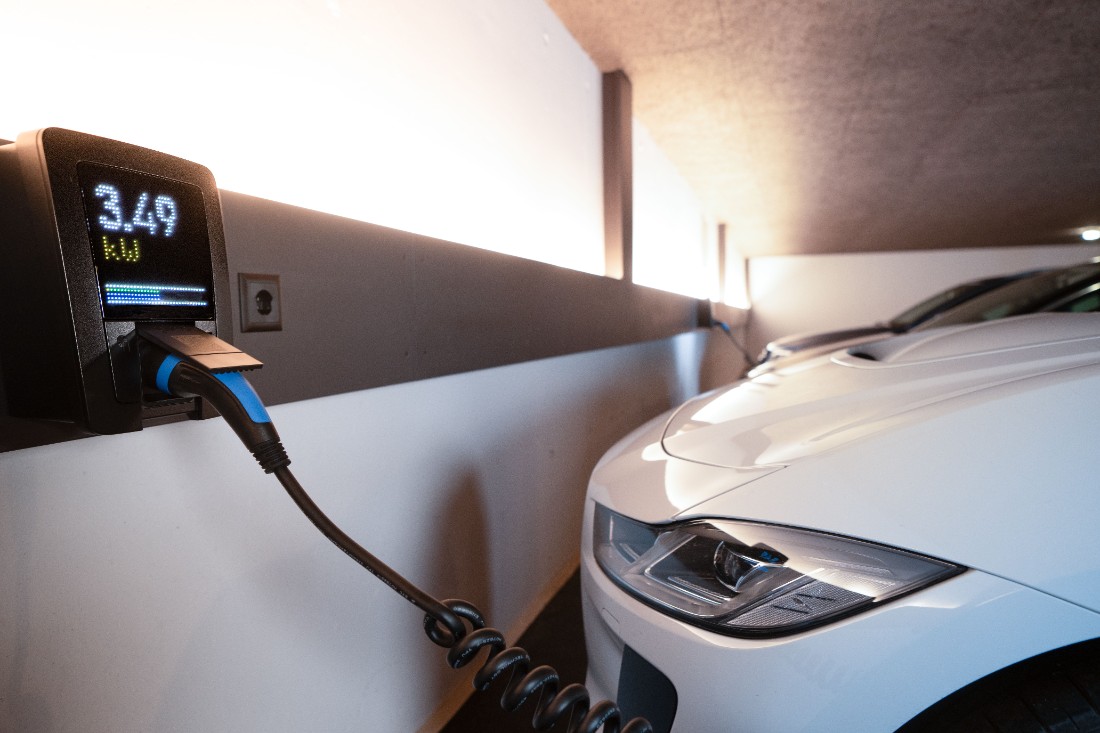
The purchase price of an electric vehicle may be higher than a comparable gasoline-powered car, but the total cost of ownership often tells a different story. Electric vehicles have fewer moving parts, which means lower maintenance costs over time. There are no oil changes, no transmission fluid replacements, and brake pads tend to last longer thanks to regenerative braking systems. Electricity is also generally cheaper than gasoline, so your daily driving costs can drop significantly. Additionally, many regions offer tax incentives and rebates for electric vehicle owners.
Switching to an electric vehicle is an exciting step that comes with many benefits. But like any major purchase, it is important to do your homework first. Understand your driving habits, explore your charging options, and compare the total cost of ownership. When you take the time to prepare and make an informed decision, you set yourself up for a positive and rewarding ownership experience. The future of driving is electric, and with the right knowledge, you can confidently be part of it.