
What the Mediterranean Diet Really Looks Like on a Plate

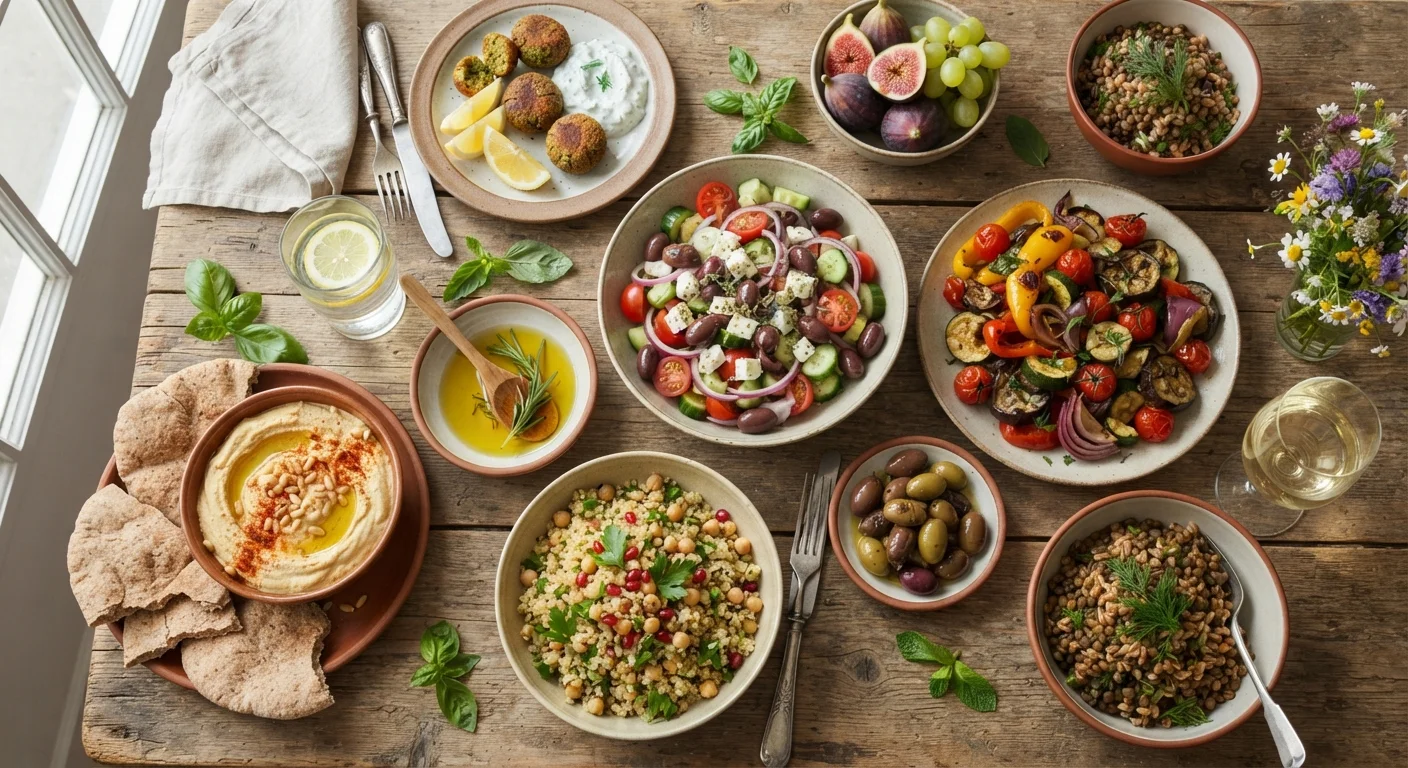
Photo: findbestways.com editorial
Key Takeaways
- The Mediterranean diet is a whole dietary pattern, not a list of superfoods.
- Vegetables, legumes, whole grains, and olive oil form the daily base of eating.
- Fish and poultry appear a few times a week; red meat is eaten rarely.
- Ultra-processed foods, added sugars, and refined grains are minimized.
- No single meal defines the pattern; consistency across meals and days matters most.
What the Mediterranean diet actually is
The Mediterranean diet is a dietary pattern observed across countries bordering the Mediterranean Sea, documented in nutritional research since the mid-20th century. It describes how people in regions such as Crete, southern Italy, and Greece traditionally ate, and it has been studied in relation to cardiovascular health, weight management, and metabolic markers.
What sets this pattern apart from a conventional diet plan is that it does not have rigid rules or calorie targets. Instead, it describes a general structure: which food groups to eat abundantly, which to eat occasionally, and which to minimize. The proportions and meal rhythms matter more than any single food.
Dietary pattern
The overall combination of foods and drinks a person habitually consumes, rather than individual foods in isolation.
Legumes
A food group that includes beans, lentils, peas, and chickpeas. They are high in protein, fiber, and complex carbohydrates.
Omega-3 fatty acids
A type of unsaturated fat found in fatty fish and some plant foods. They are considered beneficial for heart health based on substantial research.
Refined grains
Grains that have been processed to remove the bran and germ, which also removes much of their fiber and nutrients. White bread and white rice are common examples.
Fermented dairy
Dairy products such as yogurt and aged cheese where beneficial bacteria have broken down some of the milk sugars, which may affect how they are digested and their nutritional profile.
This article provides general health information and is not a substitute for personalized medical or nutritional advice. If you have a health condition or specific dietary needs, consult a qualified healthcare professional before making significant changes to your eating habits.
The foods that form the foundation
The base of the Mediterranean plate is plant food. Vegetables appear at most meals, often as the largest portion rather than a side. Tomatoes, leafy greens, eggplant, zucchini, peppers, and onions are common. Legumes such as lentils, chickpeas, and white beans appear several times a week and serve as a main protein source, not just a garnish.
Whole grains, including bulgur, farro, barley, and whole wheat bread, provide carbohydrates alongside fiber. Fruit serves as a typical dessert. Olive oil is the primary fat used for cooking, drizzling, and dressing. Nuts and seeds are eaten as snacks or added to dishes. Herbs and spices, rather than salt, provide most of the flavor.
Fish and seafood appear two or more times per week. Fatty fish such as sardines, mackerel, and salmon provide omega-3 fatty acids. This frequency distinguishes the pattern from typical American eating habits, where fish is far less common.
Foods eaten in moderation
Poultry, eggs, and dairy occupy the middle tier of the pattern. Yogurt and small amounts of cheese, particularly fermented varieties, are traditional. Poultry appears a few times per week. Eggs are included but not in large daily quantities.
Red meat is consumed rarely, perhaps a few times per month in traditional practice. When it does appear, it is typically in small portions as part of a mixed dish rather than as the centerpiece of the meal.
Sweets and refined baked goods are occasional treats rather than daily habits. Wine, if consumed at all, is taken in small amounts with meals. These items are not forbidden, but their infrequency is part of what defines the pattern.
What a realistic day of eating looks like
A typical breakfast might be whole grain toast with olive oil and sliced tomato, or plain yogurt with fruit and a small handful of walnuts. It is generally light and whole-food based.
Lunch in traditional Mediterranean cultures is often the largest meal. A bowl of lentil soup with crusty whole grain bread, or a large vegetable and chickpea salad dressed with olive oil and lemon, fits the pattern well. Leftovers from dinner work equally well.
Dinner might center on a piece of baked fish with roasted vegetables and a side of whole grain or legume. A simple salad dressed in olive oil and vinegar often accompanies the meal. Fruit or a small piece of dark chocolate can close the meal.
Starting gradually makes it stick
Snacks, when needed, typically involve nuts, olives, fruit, or raw vegetables. Processed snack foods, sugary drinks, and fast food appear rarely or not at all in the traditional pattern.
Common misconceptions
Many people assume the Mediterranean diet means eating pasta daily. In reality, pasta appears in portions that are much smaller than a typical American serving, and it is often accompanied by vegetables and legumes rather than meat-heavy sauces. Refined white pasta consumed in large amounts does not align with the pattern.
Olive oil is sometimes treated as a magic ingredient. It is a central fat source, but the overall dietary pattern around it matters. Pouring olive oil over an otherwise processed-food-heavy diet does not confer the same properties as the whole pattern does.
The diet is also not inherently expensive. Dried beans, canned sardines, seasonal vegetables, and oats are inexpensive staples. Convenience foods labeled "Mediterranean style" are not the same as the actual dietary pattern and often contain added sodium and refined ingredients.
Finally, the Mediterranean diet is not a short-term protocol. Its potential benefits in research settings are associated with long-term, consistent adherence rather than a few weeks of eating hummus.
Frequently Asked Questions
The content provided on our blog site traverses numerous categories, offering readers valuable and practical information. Readers can use the editorial team’s research and data to gain more insights into their topics of interest. However, they are requested not to treat the articles as conclusive. The website team cannot be held responsible for differences in data or inaccuracies found across other platforms. Please also note that the site might also miss out on various schemes and offers available that the readers may find more beneficial than the ones we cover.