
Companion Planting Basics: Which Vegetables Grow Better Together

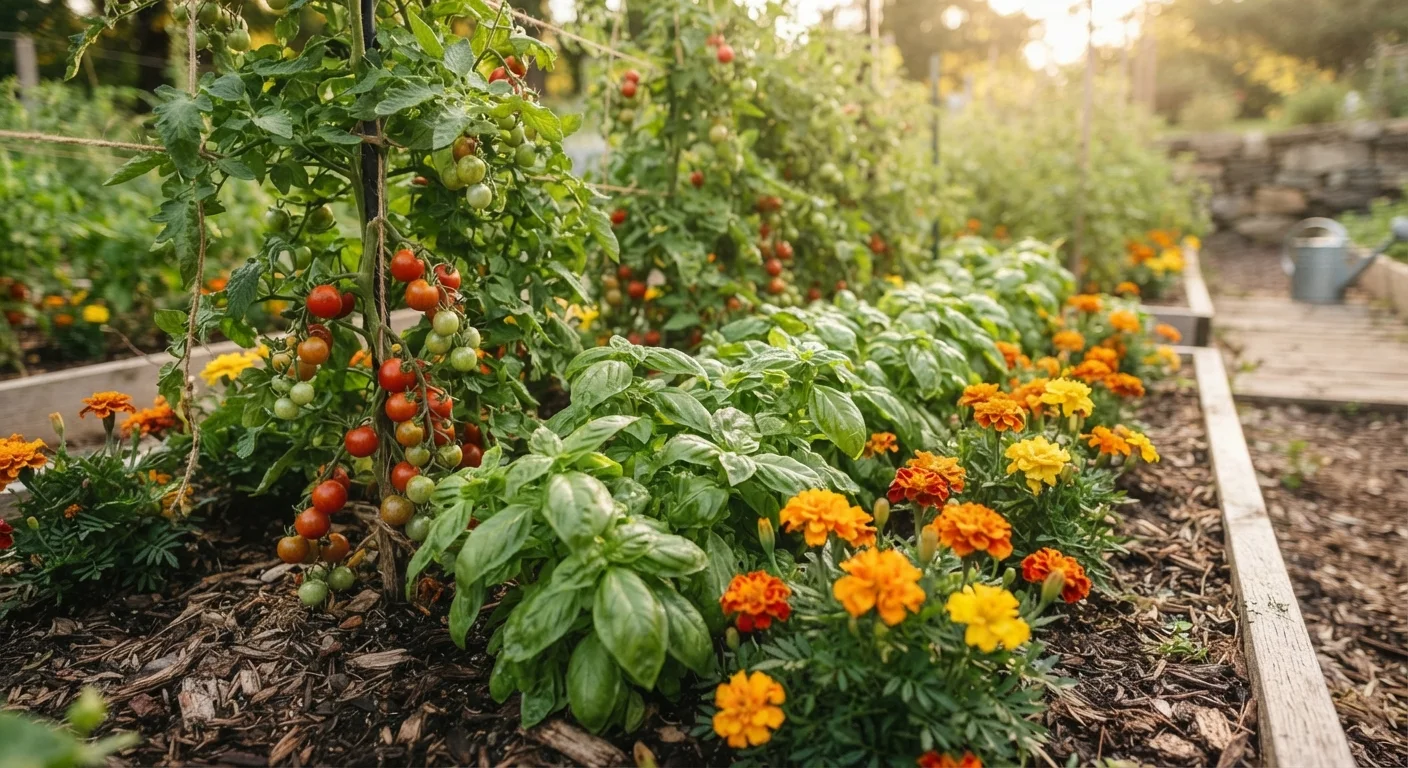
Photo: findbestways.com editorial
Key Takeaways
- Certain plant pairings can naturally deter common garden pests without chemical sprays.
- Nitrogen-fixing plants like beans improve soil for heavy feeders like corn and squash.
- Some plants compete for the same nutrients or space and should be kept apart.
- Companion planting works in raised beds, in-ground plots, and even containers.
- Results vary by soil, climate, and garden layout, so treat pairings as guidelines rather than guarantees.
Why plant placement matters
A vegetable garden is not just a collection of individual plants. Each crop interacts with its neighbors through root chemistry, canopy shade, insect attraction, and competition for water and nutrients. Choosing companions thoughtfully can reduce pest damage, improve soil health, and help you grow more food in the same footprint.
The cost of getting started is essentially zero if you already grow vegetables. You are rearranging what you plant and where, not buying anything new. For gardeners working with limited space, companion planting is one of the most practical tools available. See our guide to small-space gardening for more ways to maximize a compact plot.
Start with one or two pairings
Pairings that work well
A few combinations appear consistently in both gardening tradition and practice.
Tomatoes and basil
Basil planted near tomatoes is one of the most commonly cited pairings. The aromatic oils in basil may repel aphids and whiteflies, both of which target tomato plants. Basil also stays compact enough to fit between tomato cages without shading them out.
The Three Sisters: corn, beans, and squash
This combination comes from Indigenous agricultural practice in North America. Corn provides a vertical pole for beans to climb. Beans fix atmospheric nitrogen, feeding the corn and squash. Squash spreads along the ground, its large leaves shading the soil to hold moisture and suppress weeds. Each plant fills a different layer of space and serves a function the others benefit from.
Carrots and onions
Carrot flies and onion flies are both common pests, and each is reportedly deterred by the scent of the other crop. Interplanting rows of carrots and onions can reduce damage from both insects. The two crops also have different root depths, so they compete less for soil nutrients.
Marigolds throughout the garden
French marigolds (Tagetes patula) produce a root chemical that suppresses certain soil nematodes, microscopic worms that damage vegetable roots. Planting marigolds at the edges of beds or between rows adds pest protection and costs little beyond a seed packet.
A gardener notices aphids repeatedly damaging tomato plants despite hand-picking. The following season, she interplants basil every two feet along the tomato row.
A homeowner in a dry climate wants to reduce watering frequency in a corn bed. He plants squash between the corn stalks using the Three Sisters method.
A container gardener has repeated problems with soil nematodes damaging pepper roots in a large pot.
Combinations to avoid
Incompatible plants compete for the same resources or release chemicals that slow each other's growth.
- Fennel is a poor neighbor for nearly every vegetable. It releases compounds from its roots that inhibit the growth of tomatoes, peppers, and beans. Keep it in a separate container or far from the main vegetable patch.
- Onions and garlic can stunt the growth of beans and peas. Keep alliums on the opposite side of the bed from legumes.
- Brassicas (cabbage, broccoli, kale) and tomatoes compete for similar nutrients and are better separated.
Poor pairings waste the space and effort you put into both plants, so planning your layout before you sow saves time later.
How to plan your companion layout
Start by listing every crop you want to grow this season. Group them by known companions, then map them onto your bed or plot before anything goes in the ground. Sketch rows or zones on paper, checking that heavy feeders like tomatoes and corn sit next to nitrogen-fixers like beans rather than competing crops.
If you grow in raised beds, the contained soil makes it easier to maintain distinct companion zones. Our comparison of raised beds and in-ground planting covers how each setup handles soil management differently.
Healthy, well-fed soil amplifies the benefits of companion planting. Adding compost before the season improves the environment for all your crops. Our beginner's guide to composting walks through how to build a simple home compost system.
Track what you plant and where each season. Over two or three years you will build a clear picture of which pairings reduce pest pressure and which ones do not make a noticeable difference in your specific yard and climate.
Frequently Asked Questions
The content provided on our blog site traverses numerous categories, offering readers valuable and practical information. Readers can use the editorial team’s research and data to gain more insights into their topics of interest. However, they are requested not to treat the articles as conclusive. The website team cannot be held responsible for differences in data or inaccuracies found across other platforms. Please also note that the site might also miss out on various schemes and offers available that the readers may find more beneficial than the ones we cover.