
Raised Garden Beds vs. In-Ground Planting: Which Works for Your Yard?

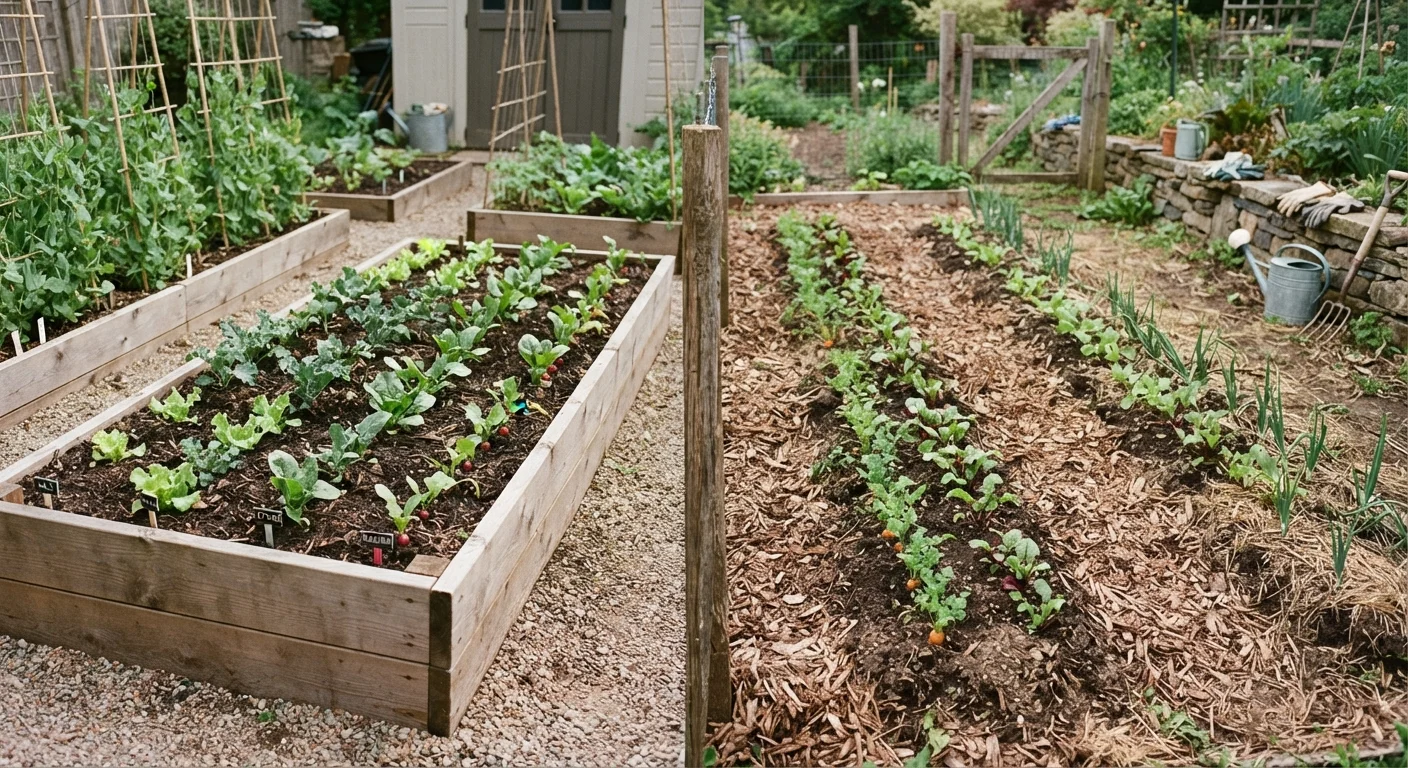
Photo: findbestways.com editorial
Key Takeaways
- Raised beds give you full control over soil quality but require a higher upfront investment.
- In-ground planting costs less to start and works well when native soil is already healthy.
- Drainage and weed pressure are easier to manage in raised beds than in-ground plots.
- Raised beds warm up faster in spring, which can extend your growing season.
- In-ground gardens handle large plantings and deep-rooted crops more naturally.
- Your yard's existing soil condition is often the single biggest factor in choosing between the two.
How soil quality shapes your decision
Before comparing construction costs or watering schedules, test your native soil. A basic soil test, available through most state cooperative extension offices for a small fee, tells you pH, nutrient levels, and texture. That result is the most practical guide for choosing a method.
In-ground planting works well when soil is loamy, drains within an hour after rain, and sits between pH 6.0 and 7.0 for most vegetables. If your yard passes those checks, digging a plot and amending with compost is often all you need. The beginner's guide to composting at home walks through how to build a steady supply of amendment material cheaply.
Raised beds become the more practical choice when native soil is heavy clay that stays soggy for days, sandy and nutrients drain through quickly, or contaminated by prior land use. Filling a bed with a purchased or custom-blended mix sidesteps those problems entirely, though it adds upfront material cost.
| Criterion | Raised Garden Beds | In-Ground Planting |
|---|---|---|
| Upfront cost | $90-$250+ for frame and fill | $20-$50 in amendments |
| Soil control | Full: you choose the mix | Limited to amendment and tilling |
| Drainage | Fast; dries out in heat | Depends on native soil type |
| Spring warm-up | Earlier, 2-3 weeks ahead | Slower, more stable in summer |
| Weed pressure | Lower when lined properly | Higher, needs regular mulching |
| Deep-root crops | Possible with 12+ inch depth | No restriction on depth |
| Accessibility | High; adjustable height | Low; requires kneeling or bending |
| Portability | Can be disassembled and moved | Permanent; stays with property |
Cost, construction, and long-term maintenance
An in-ground plot's startup cost is close to zero if you already own a spade and have workable soil. Adding compost, a bag of balanced fertilizer, and mulch for a 4-by-8-foot area typically runs $20 to $50. The tradeoff is ongoing labor: weeds have easy access from surrounding soil, and compaction from foot traffic can require annual tilling or forking.
A basic cedar raised bed frame for a 4-by-8-foot footprint runs roughly $50 to $150 for the lumber, plus the cost of filling it. A quality growing mix using a blend of topsoil, compost, and coarse material can add another $40 to $100 for that size. Pressure-treated lumber, composite boards, and galvanized steel all last longer but cost more. Once filled and established, raised beds need less tilling and produce fewer weeds because the defined frame limits migration from outside soil.
Over a five-year span, the cost gap between the two methods narrows. Raised beds require occasional topping off with compost as organic matter breaks down, while in-ground plots need annual amendments and mulch. Neither method is maintenance-free.
6-8 weeks
Earlier planting window in raised beds
University extension programs in northern U.S. states have observed raised bed soil reaching workable temperatures several weeks ahead of in-ground plots in the same location.
50%
Potential reduction in weed growth
Applying a 3-inch mulch layer to in-ground plots can cut weed germination by roughly half, according to general horticultural guidance from cooperative extension resources.
$100-$300
Typical first-year raised bed cost
Material costs vary by region and bed size; a basic 4-by-8-foot cedar frame with purchased growing mix falls within this range in most U.S. markets.
Drainage, season length, and plant selection
Raised beds drain faster than most native soils because the growing mix sits above grade and has more air pockets. That is an advantage in wet climates and during rainy springs, but it also means the bed dries out faster in summer heat. Watering frequency goes up, and drip irrigation or soaker hoses help offset that demand.
Soil in a raised bed warms earlier in spring because it sits above the cooler ground and absorbs heat on all sides. That can give you a two-to-three-week head start on planting warm-season crops. In-ground soil takes longer to warm but holds temperature more steadily through summer fluctuations.
Deep-rooted crops such as carrots, parsnips, and potatoes do well in tall raised beds but need at least 12 inches of loose growing medium. Sprawling crops like winter squash or watermelon quickly outgrow a standard 4-by-8 frame and suit in-ground rows better. For compact yards, raised beds pair naturally with vertical growing strategies described in small-space gardening for compact yards and balconies.
Perennial vegetables and flowering plants, like asparagus and many herbs, can go into either setup. If you plan to include flowering perennials, the guide to low-maintenance perennials for American home gardens covers varieties that return reliably each year with minimal intervention.
Weed and pest pressure
In-ground beds sit open to surrounding lawn and garden soil, so weed seeds blow in freely and rhizomes creep in from the edges. A 3-inch layer of mulch cuts germination significantly, but persistent weeds like bindweed or nutgrass need consistent pulling across the season.
Raised beds, when lined with cardboard or landscape fabric before filling, start almost weed-free. Weed pressure grows over time as seeds land in the bed, but the volume of persistent weeds is generally lower than in-ground. The defined walls also make it straightforward to attach row cover or simple netting to deter insects and small animals.
Slugs and fungal issues can concentrate in raised beds if drainage is poor or beds are too close together. Spacing beds at least 18 inches apart improves airflow and reduces humidity at the soil surface. Fall cleanup in both systems reduces overwintering pest populations, a task covered in the seasonal garden checklist for tasks before winter.
The content provided on our blog site traverses numerous categories, offering readers valuable and practical information. Readers can use the editorial team’s research and data to gain more insights into their topics of interest. However, they are requested not to treat the articles as conclusive. The website team cannot be held responsible for differences in data or inaccuracies found across other platforms. Please also note that the site might also miss out on various schemes and offers available that the readers may find more beneficial than the ones we cover.