
Small-Space Gardening: Making the Most of a Compact Yard or Balcony

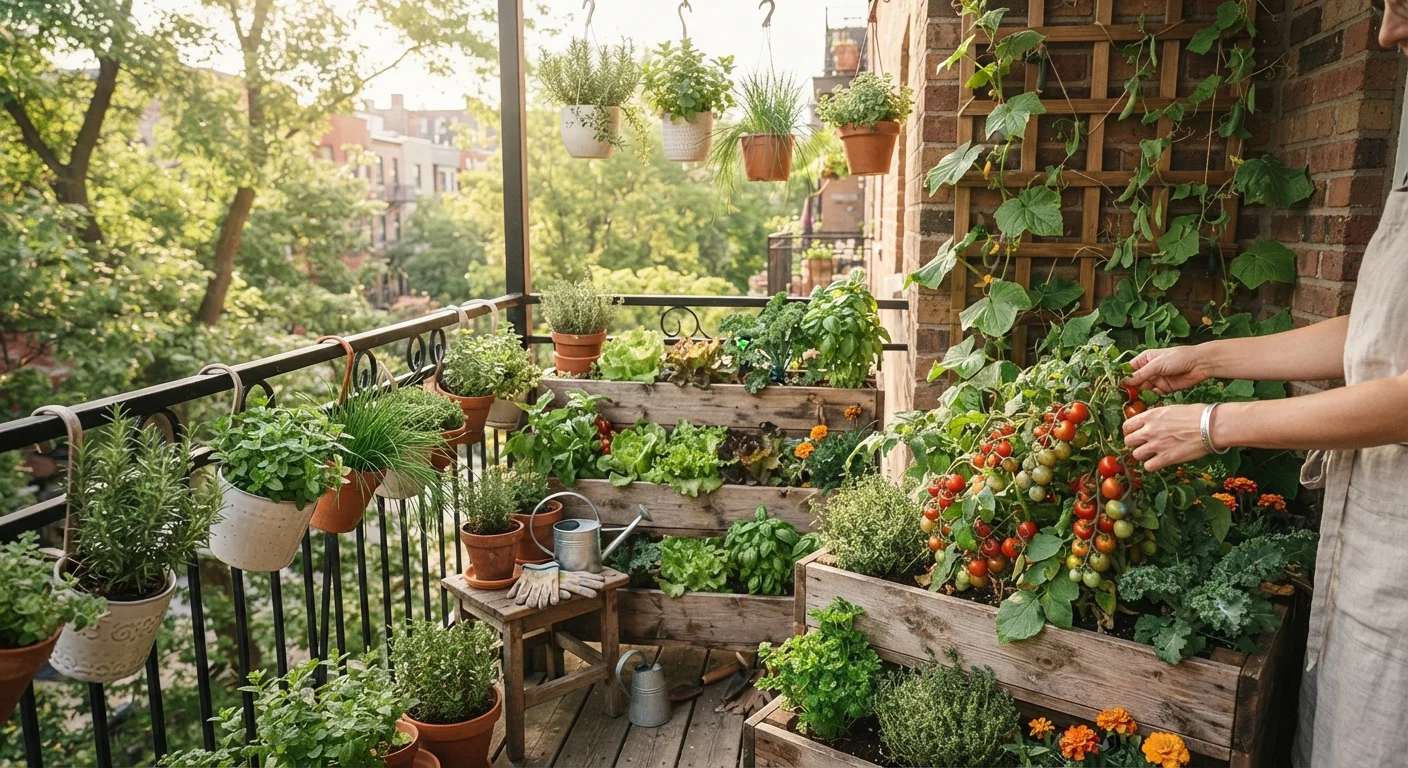
Photo: findbestways.com editorial
Key Takeaways
- Vertical space is often unused in small gardens and can double your growing area.
- Container size directly affects plant health; deeper pots suit root vegetables and tomatoes.
- Choosing compact or dwarf plant varieties prevents overcrowding in tight spaces.
- Consistent watering matters more in containers because soil dries out faster than in-ground beds.
- Even a single square foot of sun can support herbs or leafy greens.
Why small spaces call for a different approach
A compact yard or balcony does not shrink your gardening options as much as it changes which techniques work. Standard garden advice assumes you can space plants widely, amend large volumes of soil, and let sprawling crops run. In a small space, every container, every vertical surface, and every planting decision carries more weight.
The good news is that container gardening and vertical methods have been refined over decades by urban growers working with far less than most American homeowners have. A well-planned 50-square-foot balcony can realistically supply a household with fresh herbs all season and meaningful quantities of tomatoes, peppers, or beans from midsummer through fall.
For anyone weighing whether raised beds might fit their small yard, our comparison of raised beds and in-ground planting covers drainage, cost, and soil control side by side.
Large containers (12 inches or deeper)
Needed for tomatoes, peppers, and root vegetables that require more soil volume.
Lightweight potting mix
Provides the drainage and aeration container plants need; garden soil compacts and drains poorly in pots.
Wall-mounted or freestanding trellis
Supports climbing plants like beans, cucumbers, and peas to grow upward rather than outward.
Self-watering planter inserts or trays
Reduces how often you need to water and prevents dry-out during hot weather.
Slow-release granular fertilizer
Feeds container plants steadily since nutrients leach out of pots faster than in-ground soil.
Hand trowel and pruning shears
Used for transplanting, harvesting, and keeping plants tidy in close quarters.
Follow these steps to set up your space
What you will need
Assess your light and weight limits
Before buying a single pot, spend two days observing your space. Note which areas get full sun (six or more hours), partial sun (three to five hours), and shade. Most vegetables and herbs need at least four to six hours of direct sun to produce well; leafy greens like lettuce and spinach can manage with less.
If you are working on a balcony or rooftop deck, check your building's load capacity. A large planter filled with wet soil can weigh over 100 pounds. Distribute weight along structural beams where possible, and consider lightweight containers made of fabric or fiberglass over ceramic or concrete.
Plan your layout around vertical space
In a compact area, horizontal square footage is limited, but vertical space is almost always available. Walls, railings, and fences can support wall-mounted pocket planters, stacked tiered stands, or a simple trellis. A single four-foot trellis lets one cucumber or bean plant climb rather than sprawl, freeing ground-level containers for other crops.
Sketch your layout on paper before moving anything. Place taller structures on the north side of your space so they do not shade shorter plants. Group containers that need frequent watering near your water source to reduce daily effort.
Choose the right container for each plant
Container depth matters as much as width. Shallow pots (six to eight inches) work fine for herbs like basil, chives, and cilantro, as well as lettuce. Tomatoes, peppers, and eggplant need at least 12 inches of depth and five gallons of volume to produce a meaningful harvest. Root vegetables such as carrots and beets need 12 inches minimum and prefer a narrower, deeper pot over a wide, shallow one.
Drainage holes are non-negotiable. Sitting in waterlogged soil will kill most plants faster than drought will. If a decorative pot lacks drainage, use it as an outer sleeve around a plain nursery pot that does have holes.
Select compact plant varieties
Standard varieties of tomatoes, squash, and cucumbers were bred for large garden beds and can overwhelm a small container garden. Look for varieties labeled "dwarf," "patio," "bush," or "compact" on the seed packet or plant tag. Bush beans produce a full crop in a 12-inch pot without needing support. Patio-type tomatoes stay under three feet tall and fruit well in a five-gallon container.
Herbs are among the most productive plants per square inch. A single six-inch pot of basil, parsley, or thyme will supply a kitchen for months. For flowers, marigolds and nasturtiums fit easily in small pots, help deter some pests, and add color. See our guide to companion planting for more on pairing plants to mutual advantage.
Fill containers with the right mix
Garden soil from the ground compacts in containers, reducing air and water movement around roots. Use a potting mix formulated for containers; these typically include materials like perlite or vermiculite that keep the mix loose over time. For containers larger than ten gallons, you can fill the bottom third with clean wood chips or empty plastic bottles to reduce the volume of potting mix needed without sacrificing root depth.
Mix a slow-release granular fertilizer into the potting mix at planting time, following package directions. Container plants use nutrients quickly because regular watering leaches them out. Plan to supplement with a liquid fertilizer every two to three weeks once plants are actively growing. Our composting guide for beginners covers how homemade compost can stretch your soil amendment budget.
Water consistently and watch for dry-out
Containers dry out significantly faster than in-ground beds, especially during summer heat and on exposed balconies with wind. Check soil moisture daily by pressing a finger two inches into the mix. Water when the top inch is dry, not on a fixed schedule, because temperature and pot size change how fast soil dries.
Water slowly until it runs out of the drainage holes. Shallow, frequent splashes only wet the top layer and encourage surface roots that are more vulnerable to heat. Self-watering inserts with a reservoir at the bottom reduce daily checks and help maintain steady moisture during heat waves.
Once your space is established, the fall garden checklist will help you wrap up containers properly before cold weather arrives.
Keeping your small garden productive season to season
A small garden rewards attentive maintenance more than a large one does, because problems in a container, such as pests, disease, or nutrient deficiency, can move quickly through a densely planted space. Check plants every day or two. Remove dead leaves promptly. If you see signs of pests, address them before they spread to neighboring pots.
Succession planting, meaning sowing a new batch of fast-growing crops every two to three weeks, keeps containers producing rather than sitting empty after a harvest. Once lettuce or radishes finish, that container is ready for a new crop the same day.
If you want to expand your plant palette beyond annuals, low-maintenance perennials can anchor corners of a balcony or small yard with minimal replanting year to year.
Make the most of edge space
The content provided on our blog site traverses numerous categories, offering readers valuable and practical information. Readers can use the editorial team’s research and data to gain more insights into their topics of interest. However, they are requested not to treat the articles as conclusive. The website team cannot be held responsible for differences in data or inaccuracies found across other platforms. Please also note that the site might also miss out on various schemes and offers available that the readers may find more beneficial than the ones we cover.