Home & Garden

Seasonal Garden Checklist: Tasks to Tackle Before Winter Arrives

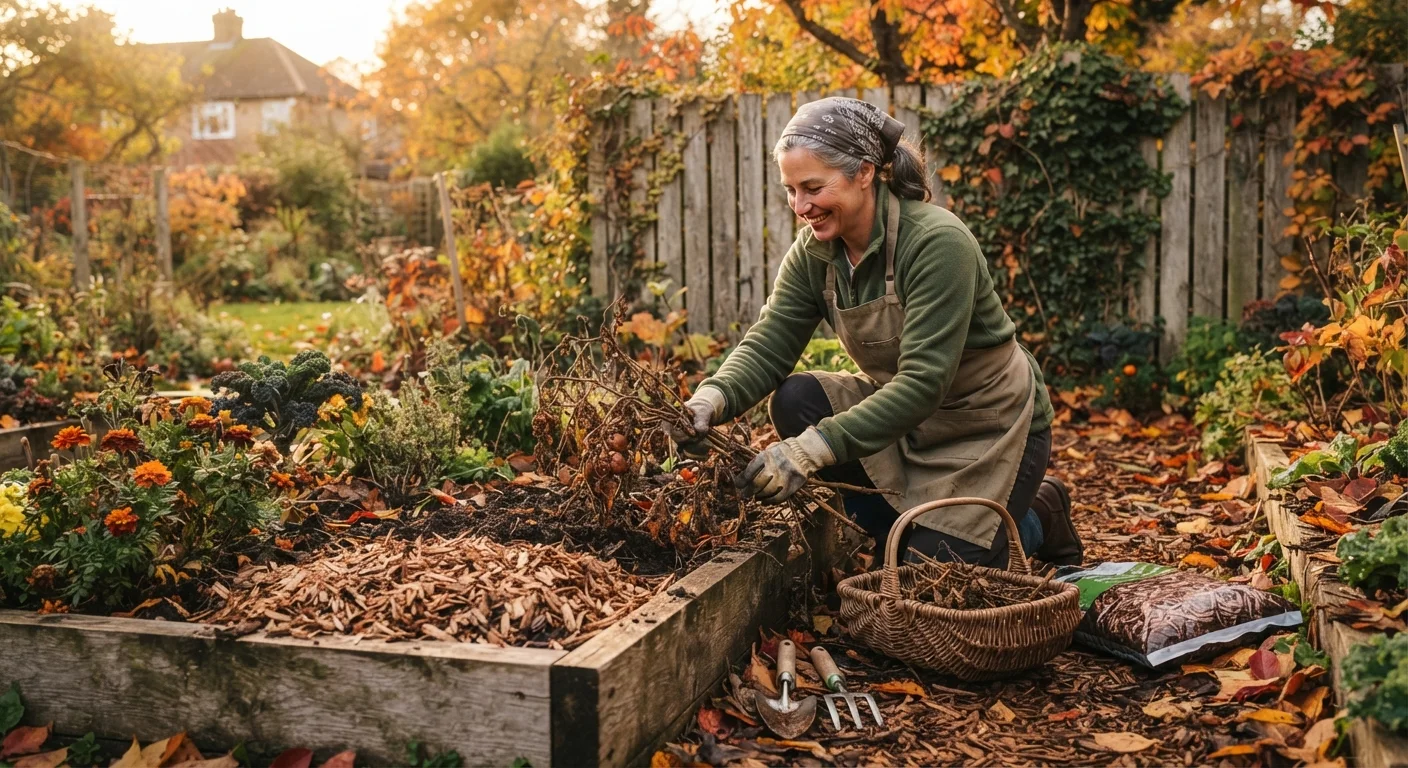
Seasonal Garden Checklist: Tasks to Tackle Before Winter Arrives

Photo: findbestways.com editorial

Protect your plants, tools, and soil with this step-by-step fall garden checklist designed for homeowners in temperate U.S. climates.

Key Takeaways

  • Clear out dead annuals and spent vegetable plants before the first hard freeze to reduce overwintering pests.
  • Add 2 to 4 inches of mulch over perennial beds after the ground cools to protect roots from temperature swings.
  • Drain and store hoses, irrigation lines, and outdoor faucet covers before temperatures drop below freezing.
  • Test and amend soil in fall so amendments break down over winter and feed plants in spring.
  • Clean, dry, and store tools properly to prevent rust and extend their working life.

Why fall prep matters for your garden

Most garden damage from winter is preventable. Roots heave out of the ground when soil freezes and thaws repeatedly. Hoses crack from trapped water. Pests and fungal spores overwinter in debris and strike early the following spring. Spending a few focused hours in fall interrupts those cycles before they start.

This checklist covers temperate U.S. climates where temperatures regularly drop below 32 degrees Fahrenheit. If you garden in a mild coastal area or a cold northern zone, a few items may need timing adjustments, but the core tasks apply broadly.

If your garden includes compact raised beds or a small balcony plot, see our small-space gardening guide for space-specific prep tips. Gardeners weighing bed types for next year will find the tradeoffs covered in our comparison of raised beds versus in-ground planting.

Beds and plants

Pull spent annual flowers and finished vegetable plants by the roots and compost or bag them, removing any diseased material from the yard entirely. Must
Cut back perennial stems to 3 to 4 inches above the soil after foliage dies back naturally, but leave ornamental grasses and seed heads that provide winter habitat for beneficial insects. Should
Dig up tender bulbs such as dahlias, cannas, and caladiums after the first light frost blackens their foliage, then dry and store them indoors. Must
Plant spring-blooming bulbs like tulips and daffodils before the ground freezes hard, spacing and depth per the variety. Should

Soil care

Remove weeds by the root now so they do not set seed and multiply over winter. Must
Take a soil sample and send it to your local cooperative extension lab to get accurate pH and nutrient readings before adding any amendments. Should
Work compost or other organic matter into vegetable beds after clearing them, then leave the surface rough so freeze-thaw cycles can break it down. Should
Spread 2 to 4 inches of mulch over perennial beds and around shrub bases after the soil cools but before a hard freeze, keeping mulch a few inches away from plant crowns. Must

Water systems and outdoor fixtures

Drain garden hoses completely, coil them loosely, and store them in a garage or shed to prevent cracking. Must
Shut off outdoor irrigation systems, blow out lines with compressed air if your system requires it, and insulate backflow preventers per local code. Must
Insulate or shut off outdoor faucets (hose bibs) and drain any water remaining in the pipes to prevent burst lines. Must

Lawn and trees

Continue mowing until grass stops growing, keeping the final cut slightly shorter than your usual height to reduce the risk of snow mold. Should
Apply a winterizer lawn fertilizer once the grass has slowed its growth but the ground is still unfrozen, following package directions for your grass type. Nice to have
Wrap young or recently planted trees in burlap or a commercial tree wrap to protect thin bark from frost cracks and sunscald. Should

Tools and equipment

Scrub soil off all hand tools, dry them thoroughly, and wipe metal surfaces with a light coat of oil before storage. Must
Sharpen pruners, loppers, and hoes at the end of the season so they are ready in spring, or set them aside and sharpen them before storing. Nice to have

Tools you will need

Gather these before you start so you are not hunting for equipment mid-task.

Required

Garden fork or spade

Turns compost into beds and lifts tender bulbs without slicing through roots.

Required

Pruning shears

Cuts back perennial stems cleanly without crushing plant tissue.

Required

Wheelbarrow or garden cart

Moves mulch, compost, and plant debris across the yard efficiently.

Optional

Soil test kit or mailer

Used to collect a soil sample for pH and nutrient testing before winter amendments.

Required

Hose drain plug and faucet insulator covers

Seals outdoor faucets and hose bibs to prevent pipes from freezing and bursting.

Optional

Burlap or tree wrap

Protects young tree bark from frost cracks and sunscald over winter.

Do not skip faucet and irrigation winterizing

A single burst pipe from trapped water can cost hundreds of dollars in repairs and water damage. Shutting off and draining outdoor water lines is the highest-stakes item on this list. If your irrigation system uses an in-ground backflow preventer, consult a licensed plumber or irrigation specialist in your area, as improper blowout procedures can damage equipment or void warranties.

Finishing up and planning ahead

Once the checklist is complete, take ten minutes to write down what worked and what struggled this season. Note where bare spots appeared, which beds stayed wet longest, and any pest pressure you noticed. That record will guide smarter plant choices in spring.

Perennials that survived harsh winters without much intervention are worth planting more of. Our guide to low-maintenance perennials covers hardy varieties that return reliably in American home gardens. If you want to try companion planting next year to reduce pest pressure naturally, companion planting basics is a practical starting point.

Permits and professionals for larger fall projects

Tasks like trimming large tree limbs near power lines, repairing retaining walls, or adding outdoor drainage systems may require permits or licensed contractors in your area. Always check with your local building or planning department before starting work that involves structural elements, utility proximity, or significant grading. Do not attempt tree work near power lines yourself.

Home & Garden Editorial Team

findbestways.com

Home & Garden Editorial Team is the collective byline for our editorial team and contributor network. Articles published under this byline or an editorial pen name are researched, written, and reviewed according to our editorial standards for clarity, consistency, and independence before publication.

Home & Garden
View author profile

The content provided on our blog site traverses numerous categories, offering readers valuable and practical information. Readers can use the editorial team’s research and data to gain more insights into their topics of interest. However, they are requested not to treat the articles as conclusive. The website team cannot be held responsible for differences in data or inaccuracies found across other platforms. Please also note that the site might also miss out on various schemes and offers available that the readers may find more beneficial than the ones we cover.