
Digital Subscriptions: Weighing the Cost of Convenience

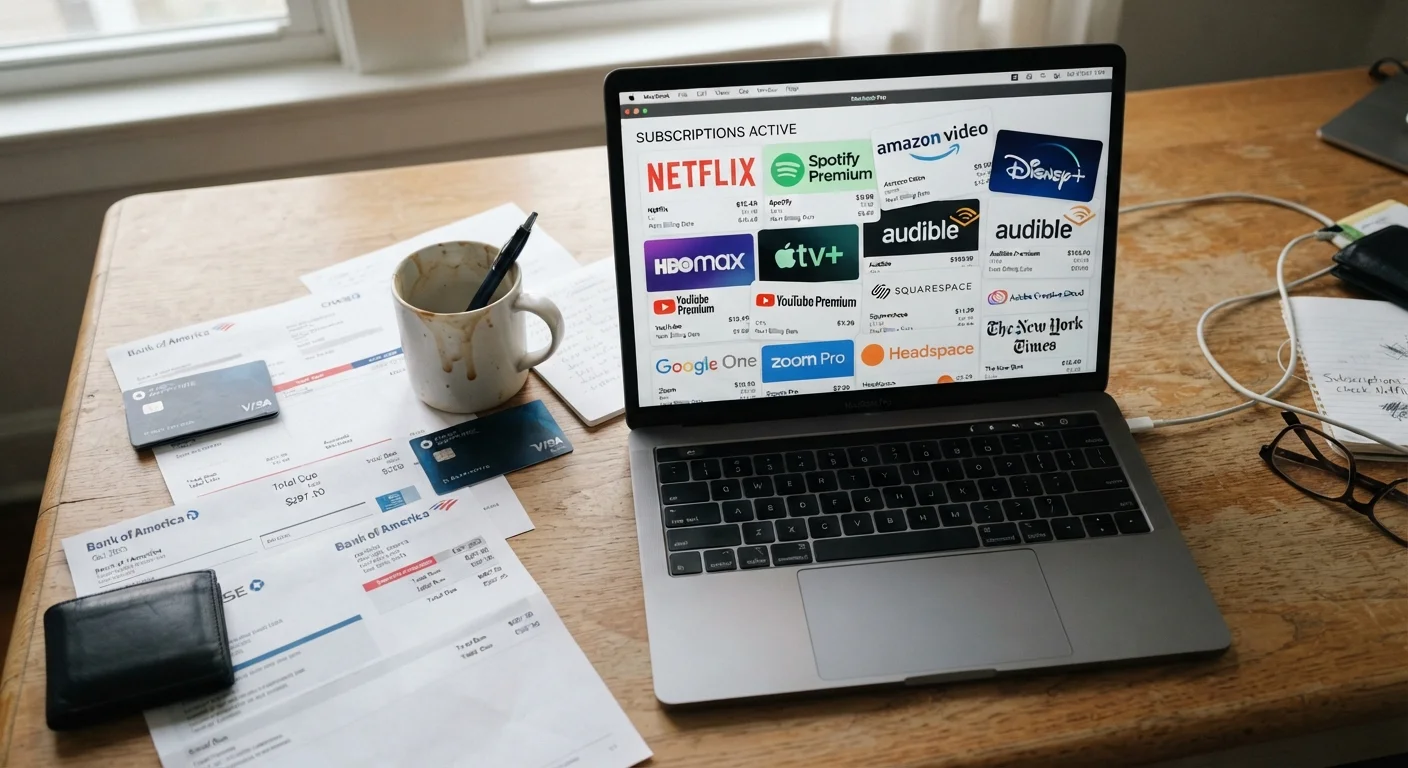
Photo: findbestways.com editorial
Key Takeaways
- The average American household pays for more subscriptions than it actively uses each month.
- Subscriptions can deliver real value when they replace higher-cost alternatives you were already paying for.
- Automatic renewals make it easy to keep paying for services you no longer use.
- A quarterly audit of recurring charges is one of the most straightforward ways to reclaim budget.
- Bundling and sharing plans can lower per-person costs, but require coordination to stay worth it.
Replaces more expensive one-time purchases
A music streaming service can cost less per month than a single album used to. For people who consume media regularly, subscriptions often cost less over time than buying content outright.
Access to tools that improve productivity or health
Apps for budgeting, fitness tracking, and learning can support real behavior change when used consistently. The compounding effect of small daily habits means even a modest tool used regularly can deliver outsized returns.
Lower upfront cost than outright software licenses
Professional software that once required a large one-time purchase now comes in monthly tiers, making it accessible to people who could not afford the license fee up front.
Easy to cancel when circumstances change
Unlike a long-term contract, most subscriptions can be paused or cancelled within a billing cycle. That flexibility matters when income or priorities shift.
Family and group plans spread the cost
Household sharing plans often allow multiple users for roughly the same price as a single account, which can cut the per-person cost significantly when coordinated.
Small charges accumulate without notice
A $5 app here, a $15 streaming tier there, and a $10 cloud storage plan add up to real money monthly. Because each charge appears small in isolation, the total is easy to underestimate.
Auto-renewal locks in spending after trial periods
Free trials convert to paid plans automatically. Without a calendar reminder or a habit of checking bank statements, these charges can run for months before you notice.
Usage rarely matches the original justification
People often subscribe during a period of high motivation and keep paying long after that motivation fades. Gym apps, language-learning platforms, and meal kit add-ons are common examples.
Content libraries and features change without notice
Streaming catalogs shift, software features get moved to higher tiers, and the service you paid for can quietly become less useful over time without any change in price.
Bundling can hide true cost
Platform bundles that combine several services at a discount can seem efficient, but they often include services you would never pay for individually, making the effective value harder to measure.
Where subscriptions actually make sense
The strongest case for a subscription is when it replaces something you were already spending more on. A streaming service that substitutes for cable, a budgeting app that prevents overdraft fees, or a cloud storage plan that replaces external hard drives you kept losing: these can all come out ahead on a straightforward cost comparison.
The math works when usage is regular. Occasional use rarely justifies a monthly charge because you are paying for availability, not just the sessions you actually complete. If you use a service at least a few times a week, the per-use cost shrinks to something reasonable. If you log in twice a month, it probably does not.
Household plans are worth considering if you share a living situation. Many platforms price family tiers at roughly 1.5 times the individual rate, which means two or more people splitting the cost each pay less than they would for separate accounts. The catch is that someone has to manage the account and coordinate cancellations, which is a minor but real friction point.
Replaces more expensive one-time purchases
A music streaming service can cost less per month than a single album used to. For people who consume media regularly, subscriptions often cost less over time than buying content outright.
Access to tools that improve productivity or health
Apps for budgeting, fitness tracking, and learning can support real behavior change when used consistently. The compounding effect of small daily habits means even a modest tool used regularly can deliver outsized returns.
Lower upfront cost than outright software licenses
Professional software that once required a large one-time purchase now comes in monthly tiers, making it accessible to people who could not afford the license fee up front.
Easy to cancel when circumstances change
Unlike a long-term contract, most subscriptions can be paused or cancelled within a billing cycle. That flexibility matters when income or priorities shift.
Family and group plans spread the cost
Household sharing plans often allow multiple users for roughly the same price as a single account, which can cut the per-person cost significantly when coordinated.
Where subscriptions quietly cost you
The problem with subscription spending is not any single charge. It is the accumulation. Because each line item on a bank statement looks small, the total rarely gets the same scrutiny as a large one-time purchase. A $240 annual spend on an app you use occasionally would feel significant as a single transaction. Spread across 12 months, it disappears into the noise.
Auto-renewal is the mechanism that sustains this. Trials convert to paid plans on a schedule that is easy to miss, and cancellation requires deliberate action most people defer. The result is a slow leak rather than a visible hole.
How to audit your subscriptions
Content and feature changes add another layer of unpredictability. Streaming libraries rotate titles. Software companies move popular features to premium tiers. What you signed up for and what you are currently getting can diverge over time, and the price rarely goes down in response.
The same logic that applies to managing recurring household costs applies here. Just as meal planning reduces small unplanned expenses that compound across a month, a regular review of subscription charges prevents the same kind of gradual budget erosion.
Small charges accumulate without notice
A $5 app here, a $15 streaming tier there, and a $10 cloud storage plan add up to real money monthly. Because each charge appears small in isolation, the total is easy to underestimate.
Auto-renewal locks in spending after trial periods
Free trials convert to paid plans automatically. Without a calendar reminder or a habit of checking bank statements, these charges can run for months before you notice.
Usage rarely matches the original justification
People often subscribe during a period of high motivation and keep paying long after that motivation fades. Gym apps, language-learning platforms, and meal kit add-ons are common examples.
Content libraries and features change without notice
Streaming catalogs shift, software features get moved to higher tiers, and the service you paid for can quietly become less useful over time without any change in price.
Bundling can hide true cost
Platform bundles that combine several services at a discount can seem efficient, but they often include services you would never pay for individually, making the effective value harder to measure.
A practical framework for deciding what to keep
Three questions cover most cases. First: have you used this service in the past two weeks? If not, the justification is probably aspirational rather than practical. Second: does it replace something that cost more? If yes, the substitution math is worth calculating before cancelling. Third: is there a lower tier or a pause option? Some platforms let you reduce your plan or suspend billing temporarily, which is worth checking before a full cancellation.
$91/mo
Average U.S. household subscription spend
Research from C+R Research found the average American household spends around $91 per month on subscriptions, while consumers tend to underestimate their own total by a wide margin.
42%
Subscribers paying for unused services
A 2022 survey by West Monroe found that 42% of consumers were paying for at least one subscription they had forgotten about.
For services on the edge, a one-month experiment works well. Cancel or pause, and see whether you miss the service enough to resubscribe. Many people find they do not. For services you use daily or near-daily, the per-use cost is low enough that keeping them is a reasonable call.
Running this review quarterly, rather than once a year, keeps the list current as your habits change. A fitness app that made sense during one season of life may not fit the next. Treating subscriptions as a standing commitment rather than an active choice is what lets unused ones persist for years.
The content provided on our blog site traverses numerous categories, offering readers valuable and practical information. Readers can use the editorial team’s research and data to gain more insights into their topics of interest. However, they are requested not to treat the articles as conclusive. The website team cannot be held responsible for differences in data or inaccuracies found across other platforms. Please also note that the site might also miss out on various schemes and offers available that the readers may find more beneficial than the ones we cover.